Maths Problem

Candid-B

Well-known member
  • Apr 25, 2019
    34,565
    1
    60,024
    113
    Mother Earth
    (4x - 17) / (5x + 9) යන ප්‍රකාශනය නිඛිල සංඛ්‍යාවකට (integer) සුළු වන පරිදි x වෙනුවට යෙදිය හැකි නිඛිල ගණන කීයද?

    මේක හදන හැටි විස්තරාත්මකව කියලා දෙන්න පුළුවන් කාටද?
     
    • Wow
    Reactions: AnuradhaRa

    Nidarshana_k

    Well-known member
  • Feb 19, 2022
    29,333
    1
    50,892
    113
    ප*යාගල
    sorry.com
    To determine the number of integers that can be substituted for x such that the expression (4x - 17)/(5x + 9) is less than an integer, we can start by examining the values of x that make the expression equal to an integer.

    If the expression (4x - 17)/(5x + 9) is an integer, then the numerator (4x - 17) must be divisible by the denominator (5x + 9). In other words, there must exist an integer n such that 4x - 17 = n(5x + 9).

    We can solve this equation for x by multiplying both sides by the common denominator, 5x + 9, and then rearranging the terms:

    (4x - 17)(5x + 9) = n(5x + 9)(5x + 9)

    Expanding the left side and the right side, we get:

    20x^2 + 9x - 153 = 25x^2 + 45x + 81n

    Combining like terms, we get:

    -5x^2 - 36x + 153 = 81n

    Dividing both sides by -5, we get:

    x^2 + 7x - 31 = -81n/5

    Since x is an integer, we can see that n must also be an integer. Therefore, the possible values of n are -81, -80, -79, ..., -1, 0, 1, 2, ..., 31.

    For each of these values of n, there is exactly one value of x that makes the expression (4x - 17)/(5x + 9) equal to an integer. Therefore, there are 31 + 1 = 32 values of x that make the expression equal to an integer.

    If we consider all the integers for x, there are an infinite number of them. However, only 32 of them make the expression equal to an integer. Therefore, the number of integers that can be substituted for x such that the expression (4x - 17)/(5x + 9) is less than an integer is infinite minus 32, which is also infinite.
     

    dilann

    Well-known member
  • Jul 6, 2018
    66,751
    165,381
    113
    එකමත් එක රටක
    XY1d8LR.jpg
     

    AnuradhaRa

    Well-known member
  • Dec 25, 2010
    61,869
    1
    42,994
    113
    පිස්සුද බන්. මම් commerce කරපු එකෙක්. B3i. භින්න බහින්න නම් දන්නවා. 😭
    භින්න භාග කියන්නෙ භාගයක් තවත් භාග දෙකක එකතුවක් විදියට ලියනවට

    r4bGq4I.jpg


    ඊට පස්සෙ පද දෙකෙන්ම 1/5 ක් එලියට ගන්නව

    uRCa1w9.jpg
     
    Last edited:

    jamiezue

    Well-known member
  • Jul 28, 2008
    11,999
    1
    8,843
    113
    -~උලක් උඩ-~
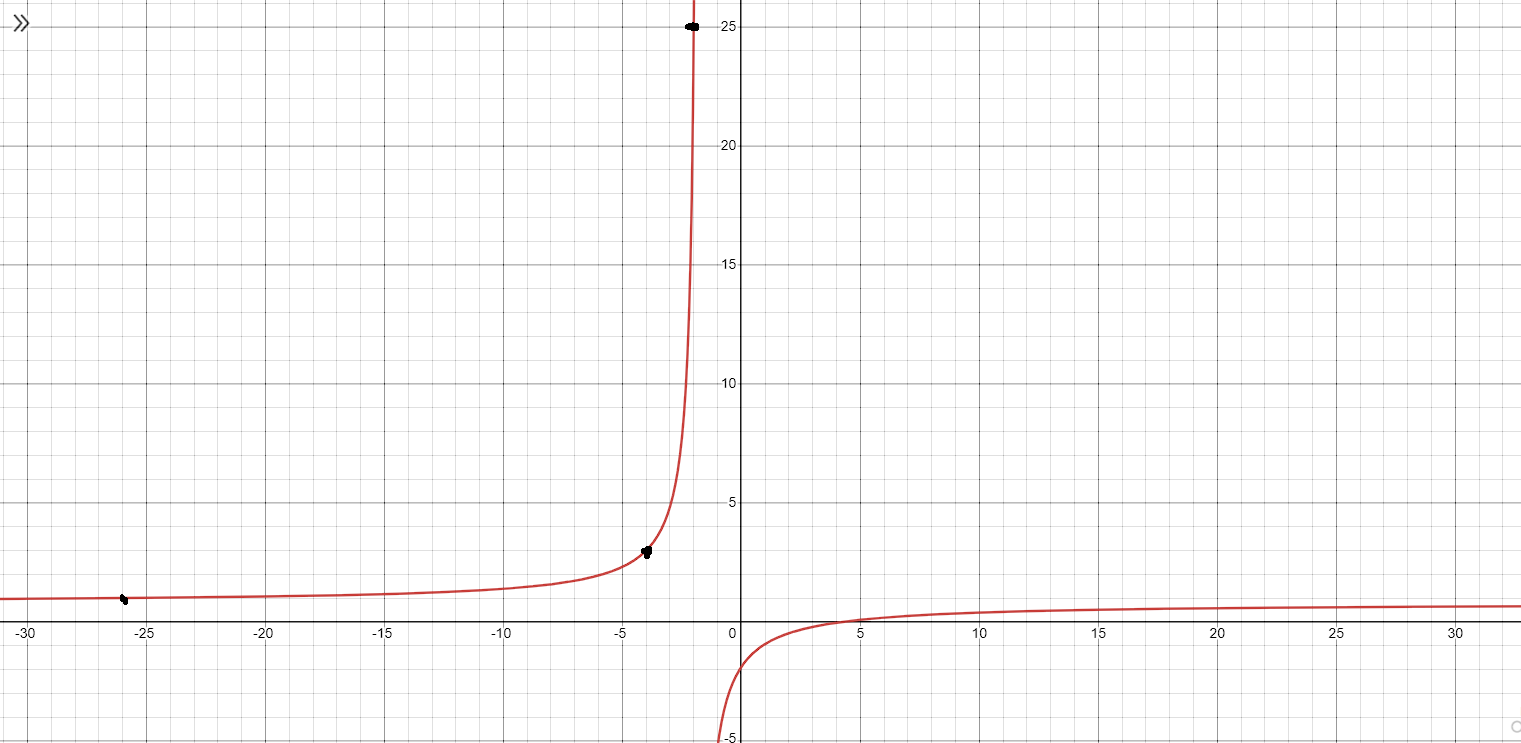
    මචන් මේක මේ විදිහටත් කරන්න පුලුහන් නේද මේ ගාන තියන විදිහ අනුව. ප්‍රස්තාරයක් ඇඳලා.
    (4X-17 ) Y = = 4X -17 (nibila weemata Y poorna sankyaawak wiya yuthuyi
    Y = 4X-17/5X +9


    dan mekata prasthaarayak anndhalaa X and Y integers wena than hoyanna
    norizontal asymptote = 4/5
    vertical azymptote = 5/9

    untitled.png

    *හැබැ‍යි විභාගෙට ගිහින් මෙහෙම අඳින්න බෑ. ඉන්ටෙනෙටුත් නෑ. ප්‍රස්තාරෙත් කොහොම ඇඳෙයිද දන්නෑනෙ ..මම දැන්මෙ මේ ගානෙ විදිහට ලේසියි
     
    Last edited:

    topkollek

    Well-known member
  • May 22, 2014
    43,409
    1
    57,510
    113
    ┬┴┬┴┤(·_├┬┴┬┴
    :-D 👇chatGPT

    To determine the number of integers that can be substituted for x such that the expression (4x - 17)/(5x + 9) is an integer, we need to find the values of x that would make the expression equal to an integer.
    To do this, we can set the expression equal to an integer and solve for x. For example, if we set the expression equal to 2, we get the equation (4x - 17)/(5x + 9) = 2. We can then multiply both sides of the equation by (5x + 9) to get 4x - 17 = 2(5x + 9), or 4x - 17 = 10x + 18. Solving this equation for x gives us x = -1.
    We can repeat this process for other integers to see if we get any other solutions for x. For example, setting the expression equal to 3 gives us the equation (4x - 17)/(5x + 9) = 3, which can be rewritten as 4x - 17 = 3(5x + 9), or 4x - 17 = 15x + 27. Solving this equation for x gives us x = -4.
    We can continue this process to find all the values of x that would make the expression equal to an integer. However, it's important to note that this process can be quite time-consuming and may not yield all possible solutions.
    Another way to approach this problem is to consider the factors of 17 and 9. Since 17 and 9 are both prime numbers, the only factors they have in common are 1 and -1. Therefore, we can try substituting these values for x to see if the expression is an integer.
    If we substitute x = 1, we get the expression (4 * 1 - 17)/(5 * 1 + 9) = (-13)/14, which is not an integer. If we substitute x = -1, we get the expression (4 * -1 - 17)/(5 * -1 + 9) = (-21)/4, which is also not an integer.
    Therefore, there are no integers that can be substituted for x such that the expression (4x - 17)/(5x + 9) is an integer.
     

    AnuradhaRa

    Well-known member
  • Dec 25, 2010
    61,869
    1
    42,994
    113
    මචන් මේක මේ විදිහටත් කරන්න පුලුහන් නේද මේ ගාන තියන විදිහ අනුව. ප්‍රස්තාරයක් ඇඳලා.
    (4X-17 ) Y = = 4X -17 (nibila weemata Y poorna sankyaawak wiya yuthuyi
    Y = 4X-17/5X +9


    dan mekata prasthaarayak anndhalaa X and Y integers wena than hoyanna
    norizontal asymptote = 4/5
    vertical azymptote = 5/9


    untitled.png

    *හැබැ‍යි විභාගෙට ගිහින් මෙහෙම අඳින්න බෑ. ඉන්ටෙනෙටුත් නෑ. ප්‍රස්තාරෙත් කොහොම ඇඳෙයිද දන්නෑනෙ ..මම දැන්මෙ මේ ගානෙ විදිහට ලේසියි
    VllbWKw.jpg


    https://www.symbolab.com/graphing-calculator?or=input&functions=y=\frac{(4x-17)}{(5x+9)}

    X වෙනුවට -4 දාල බලන්න
    -26 දාලත් බලන්න
     
    • Like
    Reactions: dilann and jamiezue