
Latest ads
-
 RHCSA, RHCE, AWS, Docker, Kubernetes Training
- Sanjeewani95
- Updated:
-
 🛡️ Kaspersky Antivirus – 1 Year / 1 Device | Rs. 2,300 | Only 9 Left
- KSPathirana
- Updated:
-
Professional CCTV Installation Service
- Techguy231
- Updated:
-
I'll research & write an article - Rs. 2000 onwards
- Blogerwiki
- Updated:
-
 House Plan
- lenura
- Updated:
What exactly we know about the Greatest king on this earth- King Sri Ravana
- Thread starter YasasSudaraka
- Start date
You are using an out of date browser. It may not display this or other websites correctly.
You should upgrade or use an alternative browser.
You should upgrade or use an alternative browser.

මට හීතුනා අපිට දෑනෙන වීදීයට දේවල් එකතු
කරන්න
දශ දශයෙක් නම් -----> සියයෙක 100
දස සියයෙක් නම් -----> දහසෙක 1,000
සියක් දහසෙක් නම් -----> ලක්ෂයෙක 100,000
ලක්ෂ සියයෙක් නම් -----> කෝටියක 10,000,000
කෝටි සියයෙක් නම් -----> ප්රකෝටියක 1,000,000,000
ප්රකෝටි සියයෙක් නම් -----> කෝටි ප්රකෝටියක 100,000,000,000
කෝටි ප්රකෝටි සියයෙක් නම් -----> නහුතයක 10,000,000,000,000
නහුත සියයෙක් නම් -----> නින්නහුතයෙක 1,000,000,000,000,000
නින්නහුත සියයෙක් නම් -----> හුතනහුතයෙක 100,000,000,000,000,000
හුතනහුත සියයෙක් නම් -----> ඛම්භයෙක 10,000,000,000,000,000,000
ඛම්භ සියයෙක් නම් -----> විෂ්කම්භයක 1,000,000,000,000,000,000,000
විෂ්කම්භ සියයෙක් නම් -----> අකෙෂෟභිණියෙක 100,000,000,000,000,000,000,000
අකෙෂෟභිණි සියයෙක් නම් -----> බින්දුවෙක 10,000,000,000,000,000,000,000,000
බින්දු සියයෙක් නම් -----> අද්බුදයෙක 1,000,000,000,000,000,000,000,000,000
අද්බුද සියයෙක් නම් -----> නිරබ්බුදයෙක 100,000,000,000,000,000,000,000,000,000
නිරබ්බුද සියයෙක් නම් -----> අබබයෙක 10,000,000,000,000,000,000,000,000,000,000
අබබ සියයෙක් නම් -----> අටටයෙක 1,000,000,000,000,000,000,000,000,000,000,000
අටට සියයෙක් නම් -----> අහහයෙක 100,000,000,000,000,000,000,000,000,000,000,000
අහහ සියයෙක් නම් -----> කුමුදයෙක 10,000,000,000,000,000,000,000,000,000,000,000,000
කුමුද සියයෙක් නම් -----> සෞගන්ධියෙක 1,000,000,000,000,000,000,000,000,000,000,000,000,000
සෞගන්ධි සියයෙක් නම් -----> උත්පලයෙක 100,000,000,000,000,000,000,000,000,000,000,000,000,000
උත්පල සියයෙක් නම් -----> පුණඩරීකයෙක 10,000,000,000,000,000,000,000,000,000,000,000,000,000,000
පුණඩරීක සියයෙක් නම් -----> පදුමයෙක 1,000,000,000,000,000,000,000,000,000,000,000,000,000,000,000
පදුම සියයෙක් නම් -----> කථානයෙක 100,000,000,000,000,000,000,000,000,000,000,000,000,000,000,000
කථාන සියයෙක් නම් මහා -----> කථානයෙක 10,000,000,000,000,000,000,000,000,000,000,000,000,000,000,000,000
මහා කථාන සියයෙක් නම් -----> අසංඛ්යයෙක 1,000,000,000,000,000,000,000,000,000,000,000,000,000,000,000,000,000
හරි ද මන්දා
නහුතය කියන්නෙ බින්දු 27 කින් සමන්විත ගානක් කියල තිබ්බා.
http://helayuhgaya.netau.net/


Ramayana & Historical Rawana- Latest Book By Mr.N.C.K Kiriella
Sri Lanka is at a point of transition. The resultant collective consciousness will provide an ideal platform to critically re-examine certain historical and cultural assumptions carried over the years and a willingness to open to a paradigm shift in thinking. It is natural when critical scholarship progresses, new names, places, and traditions will emerge challenging hitherto accepted views. This is an inevitable aspect of growth and progress if we embrace them with a spirit of humility and transcend the barriers of petty partisan polemics.
This book ‘Ramayana & Historical Rawana’ edited by Mr.Neil Kiriella is a valiant attempt to capture such new findings and bring in historicity to our legends aimed at the general public. This effort is indeed salutary and hopefully will lead to a lively debate and help untangle many webs woven around the pre- historical myths that have been passed down from generation to generation.
There is a growing body of emerging research to suggest that modern human beings evolved in South Asia, South-East Asia, and perhaps in South China. This challenges the widely held view that they originated in Africa. This will drastically change the current views we hold about our pre -history.
Dr. Siran Deraniyagala, Former Commissioner of Archaeology , at a discussion held at the Hotel Sigiriya in Dec 2000, as well as at several lectures he delivered subsequently stated that as a result of radiocarbon- tests and excavations carried out in the recent years, the picture of our early civilisation is beginning to drastically change.
The discovery of cultivation of oats and barley, and herding about 10,000 years ago (initially at 17,000 B.P.) in the Horton Plains has given a totally new dimension to what has been known about the origin of farming and herding in the world. It has so far been assumed that it was West Asia, South-East Asia and East Asia, which formed separate cradles of revolution in the subsistence strategy. But now we have yet another nucleus - namely, South Asia.
This research was taken further by Dr. D.T. Hawkey of Arizona State University, where she used dental morphological traits to establish the genetic distance between populations. It is comparative work of the greatest value, and what she says is that these dental traits are genetically determined, and have nothing to do with environment. She has done comparative work not only on the Sri Lankan population but various Indian groups and further a field into West Asia and South-East Asia on the one hand, and Australia on the other. She has come up with important results on the genetic affinities of our prehistoric humans. This has confirmed the results of the earlier work done by Cornell University.
There is a large volume of evidence to suggest that Sri Lanka was a major player on the world stage. While China was still engaged in formative and destructive wars, Sri Lanka had great kings, great art and monumental works of irrigation and buildings. This little island was evidently on a par with ancient Greece, Ancient Rome and Egypt of the Pharaohs. Long before the Romans (400 BC), Sri Lanka had hydro spas, swimming pools, public baths with spray-jet showers, major irrigation reservoirs and hydro-engineering skills that worked accurately to a fall of one inch in one kilometre.
In the light of emerging evidence , it is also salutary that a vast of people have started to appreciate an ancient ruler who lived in Sri Lanka by the name of Ravana. This name became familiar to people from the story of Rama and Seetha in Valmiki's Ramayana, which is the oldest edition of Ramayana and is the source of all Ramayana that is relevant in various cultures . King Kumaradasa who lived in the sixth Century AD authored Janakiharana which reflects the Rama-Seetha story that was popular among the masses.
Legend has it that King Ravana was a very learned and pious man, a wise, just and peaceful Ruler, a loving husband, a fond father & brother. A famous flutist & composer well versed in Vedas, Angas and Sastras. He is called Dasis Ravana which means the king with 10 great talents. He was a descendant of Surya Wansha and Hela Raskshasa tribe. (Ancient Sinhalese tribe) He was one of the best fighters in Angampora, the traditional martial arts of the people.
King Dasis Ravana was a great Scholar in Ayurvedic medicine. He was the person who invented Arka Shastra. The book Arka Prakshaya reveals this truth to the present world. He wrote several books revealing the cures for many diseases. In one book he wrote "Eating beef is the cause to infect ninety eight new diseases to human beings. The book "Kumara Tantraya" which reveals the treatments for infant diseases was written by him accepting the request of his pregnant queen Mandodari.
In available records Ravana also emerges as a just ruler who governed the country very well. There was internal peace and no feud. He was the head of civil, judicial, military and spiritual administration of his vast and extensive realm. There was obedience not through fear but out of love for the safety of the peace-giving monarch. Harmony prevailed.
Legend also has it that Ravana had his abode on the summit of an awesome rock, and that his kingdom of Lankapura surrounded it. It is said that the rock itself was used as a device rather like a sundial to calculate time in his kingdom. In ancient times this rock was known as Lanka Pabbata or Lankagiri, both of which mean Rock of Lanka.
Going down to the southern coast to Galle is another interesting place associated with the Rama and Sita legend. It is a mountain called Rhumassala Kanda. From the top of this mountain you get a panoramic view of the Galle harbour and its environs. On a clear day you could even see Adam's Peak, Sri Pada.
As the author skillfully navigates from ancient legends to historical sites and dwells on Brahmi scripts , Rock inscriptions and Asura Empire, you will surely find it a rich source of many challenging views that may appear contrary to what you have hitherto believed. That would then serve the purpose of the authors well indeed !! “In Sri Lanka there is historical and archaeological evidences Rishi Thrunabindu, Rishi Pulasthi, Rawana and his dynasty. Taking all these into thought an attempt is made to indicate the incidents that meet recorded history. The reader may be puzzled by the differing theories of the origins and its analysis.”
Sri Lanka is at a point of transition. The resultant collective consciousness will provide an ideal platform to critically re-examine certain historical and cultural assumptions carried over the years and a willingness to open to a paradigm shift in thinking. It is natural when critical scholarship progresses, new names, places, and traditions will emerge challenging hitherto accepted views. This is an inevitable aspect of growth and progress if we embrace them with a spirit of humility and transcend the barriers of petty partisan polemics.
This book ‘Ramayana & Historical Rawana’ edited by Mr.Neil Kiriella is a valiant attempt to capture such new findings and bring in historicity to our legends aimed at the general public. This effort is indeed salutary and hopefully will lead to a lively debate and help untangle many webs woven around the pre- historical myths that have been passed down from generation to generation.
There is a growing body of emerging research to suggest that modern human beings evolved in South Asia, South-East Asia, and perhaps in South China. This challenges the widely held view that they originated in Africa. This will drastically change the current views we hold about our pre -history.
Dr. Siran Deraniyagala, Former Commissioner of Archaeology , at a discussion held at the Hotel Sigiriya in Dec 2000, as well as at several lectures he delivered subsequently stated that as a result of radiocarbon- tests and excavations carried out in the recent years, the picture of our early civilisation is beginning to drastically change.
The discovery of cultivation of oats and barley, and herding about 10,000 years ago (initially at 17,000 B.P.) in the Horton Plains has given a totally new dimension to what has been known about the origin of farming and herding in the world. It has so far been assumed that it was West Asia, South-East Asia and East Asia, which formed separate cradles of revolution in the subsistence strategy. But now we have yet another nucleus - namely, South Asia.
This research was taken further by Dr. D.T. Hawkey of Arizona State University, where she used dental morphological traits to establish the genetic distance between populations. It is comparative work of the greatest value, and what she says is that these dental traits are genetically determined, and have nothing to do with environment. She has done comparative work not only on the Sri Lankan population but various Indian groups and further a field into West Asia and South-East Asia on the one hand, and Australia on the other. She has come up with important results on the genetic affinities of our prehistoric humans. This has confirmed the results of the earlier work done by Cornell University.
There is a large volume of evidence to suggest that Sri Lanka was a major player on the world stage. While China was still engaged in formative and destructive wars, Sri Lanka had great kings, great art and monumental works of irrigation and buildings. This little island was evidently on a par with ancient Greece, Ancient Rome and Egypt of the Pharaohs. Long before the Romans (400 BC), Sri Lanka had hydro spas, swimming pools, public baths with spray-jet showers, major irrigation reservoirs and hydro-engineering skills that worked accurately to a fall of one inch in one kilometre.
In the light of emerging evidence , it is also salutary that a vast of people have started to appreciate an ancient ruler who lived in Sri Lanka by the name of Ravana. This name became familiar to people from the story of Rama and Seetha in Valmiki's Ramayana, which is the oldest edition of Ramayana and is the source of all Ramayana that is relevant in various cultures . King Kumaradasa who lived in the sixth Century AD authored Janakiharana which reflects the Rama-Seetha story that was popular among the masses.
Legend has it that King Ravana was a very learned and pious man, a wise, just and peaceful Ruler, a loving husband, a fond father & brother. A famous flutist & composer well versed in Vedas, Angas and Sastras. He is called Dasis Ravana which means the king with 10 great talents. He was a descendant of Surya Wansha and Hela Raskshasa tribe. (Ancient Sinhalese tribe) He was one of the best fighters in Angampora, the traditional martial arts of the people.
King Dasis Ravana was a great Scholar in Ayurvedic medicine. He was the person who invented Arka Shastra. The book Arka Prakshaya reveals this truth to the present world. He wrote several books revealing the cures for many diseases. In one book he wrote "Eating beef is the cause to infect ninety eight new diseases to human beings. The book "Kumara Tantraya" which reveals the treatments for infant diseases was written by him accepting the request of his pregnant queen Mandodari.
In available records Ravana also emerges as a just ruler who governed the country very well. There was internal peace and no feud. He was the head of civil, judicial, military and spiritual administration of his vast and extensive realm. There was obedience not through fear but out of love for the safety of the peace-giving monarch. Harmony prevailed.
Legend also has it that Ravana had his abode on the summit of an awesome rock, and that his kingdom of Lankapura surrounded it. It is said that the rock itself was used as a device rather like a sundial to calculate time in his kingdom. In ancient times this rock was known as Lanka Pabbata or Lankagiri, both of which mean Rock of Lanka.
Going down to the southern coast to Galle is another interesting place associated with the Rama and Sita legend. It is a mountain called Rhumassala Kanda. From the top of this mountain you get a panoramic view of the Galle harbour and its environs. On a clear day you could even see Adam's Peak, Sri Pada.
As the author skillfully navigates from ancient legends to historical sites and dwells on Brahmi scripts , Rock inscriptions and Asura Empire, you will surely find it a rich source of many challenging views that may appear contrary to what you have hitherto believed. That would then serve the purpose of the authors well indeed !! “In Sri Lanka there is historical and archaeological evidences Rishi Thrunabindu, Rishi Pulasthi, Rawana and his dynasty. Taking all these into thought an attempt is made to indicate the incidents that meet recorded history. The reader may be puzzled by the differing theories of the origins and its analysis.”

math wadipura ahala thibune me irahanda sahitha kodiya gana thamaඉර හද සලකුණු කල කොඩිය - මෙය රාවන රජ දවස ජාතික කොඩිය ලෙස භාවිත කල බව පැවසේ
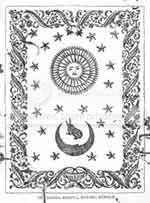

මට පොඩි ප්රස්න වගයක් ආව..
ටිකක් පැහැදිළි කරල දෙන්න පුළුවන්ද??
මම ලඟදි කියෙවුවා අරිසෙන් අහුබුදු මහත්තයා හෙළ යුගය ගැන කියල තියෙන අදහස් කීපයක්.
එතුමා කියන්නෙ
අසුර කියන්නෙ - අස්වනු + කරපු හෙවත් ගොවියො
රකුස් කියන්නෙ - රා කියන්න ඉර නෙ..
අත් කියන්නෙ ලකුණ හිරු ලකුණ පළඳින අයල ඒ ගොල්ල රකින අය
ඒ කියන්නෙ රකුස්
එතකොට රක් + කුස් - රකුස් හෙවත් ගොවියො කියල ගන්න එක වැරැදිද?
අනෙක තමයි කුවේණි කියන නම හැදිල තියෙන විදිය ගැන එතුමා කියන්නෙ..
කුවේණි කියන වචනය කුවන්නා කියලයි මහාවංසයෙ තියෙන්නෙ.
හෙළ බසින් කුවිනි
කු - කියන්නෙ පොළොව
විනි - කියන්නෙ විඳින්නි
කුවිනි - කුවින් - ක්වීන්
ඒ කියන්නෙ රැජින
කාල වර්ණ ඇත්තිය නොහොත් කු + වන්නා
විදියට ගැනීම එතුමා කියන්නෙ මහාවංසය අනුව එහෙමයි කියලා.
මේ ගැන මොකද හිතන්නෙ?
ටිකක් පැහැදිළි කරල දෙන්න පුළුවන්ද??
මම ලඟදි කියෙවුවා අරිසෙන් අහුබුදු මහත්තයා හෙළ යුගය ගැන කියල තියෙන අදහස් කීපයක්.
එතුමා කියන්නෙ
අසුර කියන්නෙ - අස්වනු + කරපු හෙවත් ගොවියො
රකුස් කියන්නෙ - රා කියන්න ඉර නෙ..
අත් කියන්නෙ ලකුණ හිරු ලකුණ පළඳින අයල ඒ ගොල්ල රකින අය
ඒ කියන්නෙ රකුස්
එතකොට රක් + කුස් - රකුස් හෙවත් ගොවියො කියල ගන්න එක වැරැදිද?
අනෙක තමයි කුවේණි කියන නම හැදිල තියෙන විදිය ගැන එතුමා කියන්නෙ..
කුවේණි කියන වචනය කුවන්නා කියලයි මහාවංසයෙ තියෙන්නෙ.
හෙළ බසින් කුවිනි
කු - කියන්නෙ පොළොව
විනි - කියන්නෙ විඳින්නි
කුවිනි - කුවින් - ක්වීන්
ඒ කියන්නෙ රැජින
කාල වර්ණ ඇත්තිය නොහොත් කු + වන්නා
විදියට ගැනීම එතුමා කියන්නෙ මහාවංසය අනුව එහෙමයි කියලා.
මේ ගැන මොකද හිතන්නෙ?
මම හිතන්නේ මේක ටිකක් විතරයි අපේ කතාවට අදාල වෙන්නේ
ඔගොල්ලෝ මොකද හිතන්නේ සිංහල භාෂාව ගැන (මට නම් සිංහල වරදිනවා)
සමහරැ කියනවා සිංහල හැදිලා තියෙන්නේ සංස්කෘත, හින්දි වගේ භාෂාවලින් කියලා එත් මම දවසක් TV වැඩසටහනකදි දැක්කා විලියම්ද සිල්වා කියනවා එක එහෙම නෙමෙයි කියලා සිංහල භාෂාව සංස්කෘත, හින්දි වලටත් වඩා පරණයි කියලා මොකද ඔගොල්ලො හිතන්නේ ?????????????????????????????????????
මමත් අහල තියෙන විදියට එහෙම තමයි මචං..
ඕක ගැන ලොකු විස්තරයක් නං දනනෙ නැහැ.

Last edited:
අරිසෙන් අහුබුදු මහත්තයාගෙ ලියවිල්ලකින් උපුටා අරගත්තෙ මේක..
එතුමන්ගෙ ඉර හඳ නැගි රට පොතේ දක්වලා තියෙන හැටියට.
මෙතන තියෙන්න රජ වංසයෙන් ටිකක් විතරයි. තියෙන ටික දැම්ම ඕං..

** ශිව
උපත - කි.පෙ 11003
රජවීම - 10977 (වයස 26)
අභිනික්මන - 10903 (වයස 100)
තවුස් දිවිය - වසර 12
මරණය - 10891 (වයස 112)
*යසස්
මේකට තරුවක් දැම්මෙ මෙච්චර වටිනා ත්රෙඩ් එකක් ඇරපු අපේ යසස් සහෝදරයගෙ නමත් රජ වංසයෙ තියෙනව කියල දැක්ක හින්දයි...
එතුමන්ගෙ ඉර හඳ නැගි රට පොතේ දක්වලා තියෙන හැටියට.
මෙතන තියෙන්න රජ වංසයෙන් ටිකක් විතරයි. තියෙන ටික දැම්ම ඕං..

** ශිව
උපත - කි.පෙ 11003
රජවීම - 10977 (වයස 26)
අභිනික්මන - 10903 (වයස 100)
තවුස් දිවිය - වසර 12
මරණය - 10891 (වයස 112)
*යසස්
මේකට තරුවක් දැම්මෙ මෙච්චර වටිනා ත්රෙඩ් එකක් ඇරපු අපේ යසස් සහෝදරයගෙ නමත් රජ වංසයෙ තියෙනව කියල දැක්ක හින්දයි...
(හිරන්යා කසුබ් >> ප්රාලද >> )වීරචන
(නැත්නම් ස්පාඤ්ඤ භාෂාවෙන් කිව්වොත් Viracocha විදියට හදුන්වන)
නම් හෙළ කුමරුවා පීරු හි ටිටිකාකා ආසන්න ප්රදේශයේ ඉන්කා ශිෂ්ඨාචාරය
කරවූවා යැයි කියනවනෙ.
ඇත්තටම ඉන්කා ශිෂ්ඨාචාරය ගැන තොරතුරු හොයනකොට මේ වීරෝචන/වීරචන/Viracocha
යන කුමාරයා පිලිබදව ගොඩක් තැන්වල සදහන් වෙනව, ඉන්කා වරුන් ලෝකය මැවුම් කරු ලෙස ඔහුව සළකනවැයි කියල.
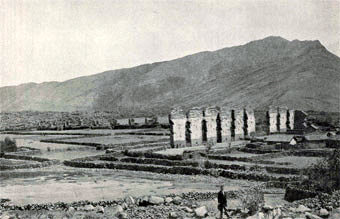
ඔය තියෙන්නෙ ඉන්කා වරු ඔහුව දේවත්වයෙන් පුදන්න ඉදිකළ දේවාලයේ නටඹුන් තමා. ඒකට කියන්නෙ [FONT=Times New Roman, Times, serif]Viracocha Temple [/FONT]කියල.
ඉන්කා සංස්කෘතියෙ වීරවචන ව හැදින්වෙන්නෙ නිර්මාණක දේවතාවා එහෙම නැත්නං creator god කියල.


මේ තියෙන්නෙ ඉන්කා වරුන්ගෙ නැති වී ගිය රාජධානියෙ අදට ඉතුරු වෙලා තියෙන දේවල් ටික

(නැත්නම් ස්පාඤ්ඤ භාෂාවෙන් කිව්වොත් Viracocha විදියට හදුන්වන)
නම් හෙළ කුමරුවා පීරු හි ටිටිකාකා ආසන්න ප්රදේශයේ ඉන්කා ශිෂ්ඨාචාරය
කරවූවා යැයි කියනවනෙ.
ඇත්තටම ඉන්කා ශිෂ්ඨාචාරය ගැන තොරතුරු හොයනකොට මේ වීරෝචන/වීරචන/Viracocha
යන කුමාරයා පිලිබදව ගොඩක් තැන්වල සදහන් වෙනව, ඉන්කා වරුන් ලෝකය මැවුම් කරු ලෙස ඔහුව සළකනවැයි කියල.
ඔය තියෙන්නෙ ඉන්කා වරු ඔහුව දේවත්වයෙන් පුදන්න ඉදිකළ දේවාලයේ නටඹුන් තමා. ඒකට කියන්නෙ [FONT=Times New Roman, Times, serif]Viracocha Temple [/FONT]කියල.
ඉන්කා සංස්කෘතියෙ වීරවචන ව හැදින්වෙන්නෙ නිර්මාණක දේවතාවා එහෙම නැත්නං creator god කියල.


මේ තියෙන්නෙ ඉන්කා වරුන්ගෙ නැති වී ගිය රාජධානියෙ අදට ඉතුරු වෙලා තියෙන දේවල් ටික

Last edited:
** ශිව
උපත - කි.පෙ 11003
රජවීම - 10977 (වයස 26)
අභිනික්මන - 10903 (වයස 100)
තවුස් දිවිය - වසර 12
මරණය - 10891 (වයස 112)
*යසස්
මේකට තරුවක් දැම්මෙ මෙච්චර වටිනා ත්රෙඩ් එකක් ඇරපු අපේ යසස් සහෝදරයගෙ නමත් රජ වංසයෙ තියෙනව කියල දැක්ක හින්දයි...
හික්
 ලැජ්ජාවෙ පණ යනව.
 ඒක නෙමේ සහෝ ඔය ඉර හද නැගි රට පොත ගත්තෙ කොහෙන්ද?
මම ඕක මෙහේ හෙව්ව කොහේවත් නෑනෙ ගන්න.
නිදහස් චතුරස්රෙ කියවීමේ හා ප්රලේඛන එකේ නම් කොපියක් තියෙනව
ඒත් ගෙනියන්න දෙන්නෙ නෑනෙ.
කොළඹින්ද ගත්තෙ?
අනෙක තමයි කුවේණි කියන නම හැදිල තියෙන විදිය ගැන එතුමා කියන්නෙ..
කුවේණි කියන වචනය කුවන්නා කියලයි මහාවංසයෙ තියෙන්නෙ.
හෙළ බසින් කුවිනි
පාලි වේණි ශබ්දයට සිංහල අර්ථ දෙකක් දැක්විය හැක
1. ගෙතූ හිසකෙස් යන්න එක් අර්ථයකි.
2. කොණ්ඩය යන්න තව අර්ථයකි.
පාලි වේණි කත යන ශබ්දයන්ගෙන් කෙස් වේණියක් ලෙස සාදා
මුදුනින් බදින්නී යන අර්ථය ගෙනෙන බව සැලකිය යුතුය.
විජයට කුවේණි මුණගැසුනේ තපස්වරියක ලෙස සිටියදීය.
තපස්වරුන් හෝ වරියන් කොණ්ඩය බදිනු ලබන්නේ හිසමුදුනෙනි.
මේ අනුව කුවේණි විජයට හමුවන විට හිස මුදුනින් කොණ්ඩය බැද සිටින්නට ඇත.
මෙහිදි 'කු ' උපසර්ග පදය වේණි යන ශබ්දය මුලට යෙදිමෙන් එහි අර්ථයට බාදා වී ඇත.
(පාලි භාෂාවේ උපසර්ග පදයකින් කෙරෙන්නේ අගට යෙදුණු පදයේ අර්ථයට
බාධා කිරීම, අර්ථය අනුව පැවැත්ම හා විශේෂාර්ථයක් දැක්විම වේ.)
එබැවින් කුවේණී යන ශබ්දය වැරදි ලෙස හිස මුදුනින් කොණ්ඩය බැද ඇති කාන්තාව යන අර්ථය ගෙනේ.
පැරණි ඉන්දියාවේ විවාහක කාන්තාවන් වේණියක් හෝ එක කරළක් ලෙස
කෙස් කළඹ සකස් කර ගත් අතර අවිවාහක කාන්තාවෝ වේණි දෙකක් හෝ කරල් දෙකක් ලෙස හෝ කෙස් කළඹ සකස් කර ගත්හ.
අවිවාහක කාන්තාවක් වු කුවේණී විජයට මුණ ගැසෙන විට ඇගේ කෙස් කළඹ
එක වේණියක් ලෙස හිස මුදුණේ කොණ්ඩයක් මෙන් බැද තිබුණි.
ඉන්දියානුවන් වූ විජය සහිත පිරිස මෙය වැරදි චාරිත්රයක් යැයි සලකා හිස මුදුනින්
වැරදි ලෙස කොණ්ඩයක් බැදි යුවතිය යන අර්ථයෙන් ඇය කු+වේණිය යන නමින් හැදින්වුහ.
උපුටා ගැනීම: කුවේණි නම් වූ යක් ලද කෘතියෙන්

nice topic macho last week i so a paper article about King Rawanas death his final resting place so i call five of my friend and ask them to go for a adventure trip but after reading your article i knew that it is not a easy task. I would like to know more details if u have
රකුස් කියන්නෙ - රා කියන්න ඉර නෙ..
අත් කියන්නෙ ලකුණ හිරු ලකුණ පළඳින අයල ඒ ගොල්ල රකින අය
ඒ කියන්නෙ රකුස්
එතකොට රක් + කුස් - රකුස් හෙවත් ගොවියො කියල ගන්න එක වැරැදිද?
(මාතෘකාවට අදාළතාව නම් අඩු ඇති)
ඉර ගැන කීවම මතක් උනේ බලන්න ඉර වන්දනාව පුරාණ ලෝකයෙ කොච්චර
තිබිල තියෙනවද කියල.
ඔය ඉන්කා, මායා ශිෂ්ඨාචාර වලත් සූර්ය නමස් කාරය තිබිල තියෙනව.
දැන් මේකෙ හැටියට රකුස් කියන්නෙත් හිරු සම්බන්ධයක් තියෙන අය.
දන්නවද සමහර අයගෙ මතයක් තියෙනව ඔය කිතුනු දහමෙ කුරුසයෙන්
සංකේතවත් කෙරෙන්නෙ හිරු වටා තියෙන රාශි 12න් ප්රධාන රාශි 3 ගානෙ
වෙන් කරාම ලැබෙන කතිරය කියලයි.
ඒකෙ සත්ය අසත්යතාව නම් කියන්න දන්නෙ නෑ.
ඊයෙ පෙරේද මම බැලුව හොද වාර්තා වැඩසටහනක් නොස්ට්රඩාමුස් 2012
කියල. ඒකෙ තියෙන්නෙ නොස්ට්රඩාමුස් ලෝක විනාශය ගැන කියල තියෙන සුප්රසිද්ධ අනාවැකිය ගැන.
මොකද මායාවරුන්ගෙ කැලැන්ඩරය 2012 දෙසැම්බර් 31න් අවසන් වෙනව.
විද්යාත්මකව එදාට සිද්ධ වෙන්නෙ පෘථිවියත් සූර්යයත් ක්ෂීර පථයෙ මධ්ය ලක්ෂයත් රේඛීයව පිහිටනවලු.
මේකට කියන්නෙ galactical alginment කියල.
අවුරුදු 26000කට වරක් මේ සංසිද්ධිය දකින්නට පුලුවන් කියලයි කියන්නෙ.
අපි කලින් කතා කරානෙ ගීසාහි පිරමිඩ ඉදි කරන්න හෙළයින්ගෙ සහයෝගය ලැබෙන්න ඇති කියන මතය ගැන.
මොකද විමාන වල ලකුණු ඒවයෙ කොටල තියෙන නිසා.
සමහරුන්ගෙ මතයක් තමයි මේ ගීසාහි පිරමිඩ ඉදි කරල තියෙන්නෙ
ඔරායන් තරු රාශියෙ බද පටියෙ තරු 3 සමග ඒක රේඛීය වෙන්න කියල.
අවුරුදු 26000 චක්රයෙන් පස්සෙ ගීසාහි පිරමිඩ ආසන්නයේ තිබෙන sphinix ප්රතිමාව,

මේ කියන galactical alginment එක සමග අනුයාත වෙන්න ඉදි කර තිබෙනවලු.
වෙන විදියකට කිව්වොත් මේ ප්රතිමාවේ මුහුණතත් සූර්යයත් ක්ෂීර පථයෙ මධ්ය ලක්ෂ්යත් ඒක රේඛියව පිහිටනවලු.
කැමති අය download කරගෙන බලන්න. (300MB total)
http://www.mediafire.com/?znyjedmzgjn
http://www.mediafire.com/?yftjmzgwzmq
සෑහෙන්නෙ හොදයි මචං. හැබැයි මමවත් එක දිගට මේක පැය 7ක් කියවල නෑ.දයාබර හෙළයිනි
දැන් තමයි මම මේක ( පැය 7 ක් ) කියවලා ඉවර වුනේ. ගොඩක් දේ ඉගෙනගත්තා. සමහර දේට දාපු reply වලට ඊළග පිටුවේ උත්තරය තිබ්බා. බාධා කරාට සමාවන්න. දිගටම කරගෙන යමු . Good luck
උනන්දුව ගොඩාක් ඉහළින් අගය කරනවා. අපිත් එක්කම ඉන්න.

මට හිතෙන්නෙ මේ කාලෙදි යුරෝපයට ඉහළින් තිබුණු හිම තට්ටුව ටිකින් ටික දියවෙලාSri Lanka had great kings, great art and monumental works of irrigation and buildings.
This little island was evidently on a par with ancient Greece, Ancient Rome and
Egypt of the Pharaohs. Long before the Romans (400 BC), Sri Lanka had hydro
spas, swimming pools, public baths with spray-jet showers, major irrigation
reservoirs and hydro-engineering skills that worked accurately to a fall of one inch
in one kilometre.
සාගරයට එකතු වුනාට පස්සෙ මුහුදු මට්ටම ඉහළ යන්න ඇති.
මේ කියන විභූතිමත් ලංකාවෙ වැඩි කොටසක් අද අපට පෙනෙන්න නැත්තෙ මේව මුහුදු පතුලෙ
ගිලීගියා වෙන්න ඕන.
..... Ravana was a descendant of Surya Wansha and Hela Raskshasa tribe.
(Ancient Sinhalese tribe) He was one of the best fighters in Angampora, the
traditional martial arts of the people.
Ravana was a great Scholar in Ayurvedic medicine. He was the person who
invented Arka Shastra. The book Arka Prakshaya reveals this truth to the present
world.
Legend also has it that Ravana had his abode on the summit of an awesome rock,
and that his kingdom of Lankapura surrounded it. It is said that the rock itself
was used as a device rather like a sundial to calculate time in his kingdom. In
ancient times this rock was known as Lanka Pabbata or Lankagiri, both of
which mean Rock of Lanka.
In Sri Lanka there is historical and archaeological evidences Rishi
Thrunabindu, Rishi Pulasthi, Rawana and his dynasty.
මේ දේවල් ගැන අපි මීට කලිනුත් කතා කරා. හැබැයි ලංකා පබ්බත කියන
වචනය නම් මතු උනේ නෑ මට මතක විදියට.
Legend also has it that Ravana had his abode on the summit of an awesome rock, and that his kingdom of Lankapura surrounded it. It is said that the rock itself was used as a device rather like a sundial to calculate time in his kingdom. In ancient times this rock was known as Lanka Pabbata or Lankagiri, both of which mean Rock of Lanka.
''ලංකා පබ්බත'' විස්තර කරල තියෙන හැටියට මේ කියන්නෙ ලකේගල ගැන වෙන්න ඕන. රාවනගෙ ලංකාපුරය මැද තියෙන ලකේගල මුදුනට මුළු ලංකාපුරයම පේන බව මං අහල තියෙනවා.මේ දේවල් ගැන අපි මීට කලිනුත් කතා කරා. හැබැයි ලංකා පබ්බත කියන
වචනය නම් මතු උනේ නෑ මට මතක විදියට.
අපි කලින් කතා කරානෙ ගීසාහි පිරමිඩ ඉදි කරන්න හෙළයින්ගෙ සහයෝගය ලැබෙන්න ඇති කියන මතය ගැන.
මොකද විමාන වල ලකුණු ඒවයෙ කොටල තියෙන නිසා.
සමහරුන්ගෙ මතයක් තමයි මේ ගීසාහි පිරමිඩ ඉදි කරල තියෙන්නෙ
ඔරායන් තරු රාශියෙ බද පටියෙ තරු 3 සමග ඒක රේඛීය වෙන්න කියල.
අවුරුදු 26000 චක්රයෙන් පස්සෙ ගීසාහි පිරමිඩ ආසන්නයේ තිබෙන sphinix ප්රතිමාව,
මේ කියන galactical alginment එක සමග අනුයාත වෙන්න ඉදි කර තිබෙනවලු.
වෙන විදියකට කිව්වොත් මේ ප්රතිමාවේ මුහුණතත් සූර්යයත් ක්ෂීර පථයෙ මධ්ය ලක්ෂ්යත් ඒක රේඛියව පිහිටනවලු.

Star-struck stupas in ancient Anuradhapura
Atrail-blazing discovery made in 1996 by Mihindukulasuriya Susantha Fernando, author, researcher and historian, has now been proved right by two British scholars.
Fernando's discovery, as described in his 1997 book, "Alien Mysteries in Sri Lanka and Egypt", reveals the most baffling mystery in the history of Sri Lanka: there exists a perfect alignment of the three main stupas (Mirisavati, Ruvanweli and Jetavana) at Anuradhapura, with three stars in the constellation of Orion, namely Rigel, Al Nitak and Bellatrix. That means, that the three sides of the triangle in the ground layout of the three stupas, built between 161 B.C. and A.D. 331, are correlated precisely with the three sides of the triangle of three stars on the right-hand wing of the constellation of Orion. It is a kind of heaven-ground duplicity
The constellations of stars that were aligned with such monuments, according to the British authors, offered always a celestial or star-oriented interpretation of a religious theme of special significance to the ancient cults in the respective lands, at the time the monuments were constructed. For instance, the three Great Pyramids of Giza in Egypt, the giant lines on the Nazca desert of Peru and the pyramids of Mexico are oriented according to the three Belt Stars of Orion, thus reminding us of the ancient fertility cult associated with Orion, as practised by the ancients of those three lands. The renowned temples of Cambodia are aligned with the constellation of Draco, signifying the Naga cult of their ancients.
To read full article - http://sundaytimes.lk/000430/plus13.html#13LABEL1
මේ විස්තරයත් මෙතනට දාන්න හිතුනෙ ඊජිප්තු, මායා, ඉන්කා ශිෂ්ඨාචාර සහ හෙළ ශිෂ්ඨාචාරයේ සමානතා ගැන අපි කලිනුත් කතා කල නිසයි. ඊජිප්තු, මායා අදී ශිෂ්ඨාචාරයන් වසර 5000, 4000 තරම් ඈතට දිවෙද්දි, මෙම ස්ථූප ගොඩනගල තිබෙන්නෙ වසර 2400 තරම් මෑතකදි, ඒ වගේම රජවරු දෙදෙනෙක් අතින්. දුටුගැමුණු ( ක්රි.පූ 161-137) සහ මහසෙන් (ක්රි.ව. 276-303)... මිරිසවැටිය සහ රුවන්මැලි සෑය ගොඩනගල වසර 450 කට පමණ පසුවයි ජේතවනාරාමය ඉදිකෙරෙන්නෙ, ඒ කාල පරතරය සලකා බැලුවම මෙම රජවරු දෙදෙනාම ඔරායන් රාශියේ තරුවල පිහිටීමට අනුව ස්ථූප ගොඩනැගුව කියල විශ්වාස කරන්න ටිකක් අමාරුයි. නමුත් එම ස්ථානම ස්ථූප ගොඩනගන්නට තෝර ගන්න හේතු තියෙන්න ඇති. උදාහරණයක් හැටියට - පැරණි හෙලයන් ගොඩනැගූ සූර්ය දේවාල හෝ මියගිය යකුන් වෙනුවෙන් තැනූ දේවාල. මට අහන්න ලැබුණා ත්රිකුණාමලයේ තිබුණු හෙලයන්ගේ පැරණි සූර්ය දේවාලයක් ගැන. පසුකලෙක මෙයත් බෞද්ධ විහාරස්ථානයක් බවට පත්වෙලා, මේ වෙනකොට ඒක සුප්රසිද්ධ කෝවිලක්. මේ කරුණු ඇත්ත නම්, හෙළයන්ගෙ දේවාල ආශ්රිතව හෝ ඒ මත පසුකලෙක බෞද්ධ විහාරස්ථාන ගොඩනගන්නට ඇති කියලයි මට හිතෙන්නෙ.
Last edited:
මෙන්න මානවයාගෙ පටන් ගෑන්මෙ සීට ජීසස්ගෙ උපත දක්වා
උපුටා ගෑනීම http://www.infoplease.com/ipa/A0001198.html
Ancient History
Before Christ (B.C.) or Before the Common Era (B.C.E.)
4.5 billion – 1B.C. World History
4.5 billion B.C.
Planet Earth formed.
3 billion B.C.
First signs of primeval life (bacteria and blue-green algae) appear in oceans.
600 million B.C.
Earliest date to which fossils can be traced.
4.4 million B.C.
Earliest known hominid fossils (Ardipithecus ramidus) found in Aramis, Ethiopia, 1994.
4.2 million B.C.
Australopithecus anamensis found in Lake Turkana, Kenya, 1995.
3.2 million B.C.
Australopithecus afarenis (nicknamed “Lucy”) found in Ethiopia, 1974.
2.5 million B.C.
Homo habilis (“Skillful Man”). First brain expansion; is believed to have used stone tools.
1.8 million B.C.
Homo erectus (“Upright Man”). Brain size twice that of Australopithecine species.
1.7 million B.C.
Homo erectus leaves Africa.
100,000 B.C.
First modern Homo sapiens in South Africa.
70,000 B.C.
Neanderthal man (use of fire and advanced tools).
35,000 B.C.
Neanderthal man replaced by later groups of Homo sapiens (i.e., Cro-Magnon man, etc.).
18,000 B.C.
Cro-Magnons replaced by later cultures.
15,000 B.C.
Migrations across Bering Straits into the Americas.
10,000 B.C.
Semi-permanent agricultural settlements in Old World.
10,000–4,000 B.C.
Development of settlements into cities and development of skills such as the wheel, pottery, and improved methods of cultivation in Mesopotamia and elsewhere.
5500–3000 B.C.
Predynastic Egyptian cultures develop (5500–3100 B.C.); begin using agriculture (c. 5000 B.C.). Earliest known civilization arises in Sumer (4500–4000 B.C.). Earliest recorded date in Egyptian calendar (4241 B.C.). First year of Jewish calendar (3760 B.C.). First phonetic writing appears (c. 3500 B.C.). Sumerians develop a city-state civilization (c. 3000 B.C.). Copper used by Egyptians and Sumerians. Western Europe is neolithic, without metals or written records.
3000–2000 B.C.
Pharaonic rule begins in Egypt. King Khufu (Cheops), 4th dynasty (2700–2675 B.C.), completes construction of the Great Pyramid at Giza (c. 2680 B.C.). The Great Sphinx of Giza (c. 2540 B.C.) is built by King Khafre. Earliest Egyptian mummies. Papyrus. Phoenician settlements on coast of what is now Syria and Lebanon. Semitic tribes settle in Assyria. Sargon, first Akkadian king, builds Mesopotamian empire. The Gilgamesh epic (c. 3000 B.C.). Systematic astronomy in Egypt, Babylon, India, China.
3000–1500 B.C.
The most ancient civilization on the Indian subcontinent, the sophisticated and extensive Indus Valley civilization, flourishes in what is today Pakistan. In Britain, Stonehenge erected according to some unknown astronomical rationale. Its three main phases of construction are thought to span c. 3000–1500 B.C.
2000–1500 B.C.
Hyksos invaders drive Egyptians from Lower Egypt (17th century B.C.). Amosis I frees Egypt from Hyksos (c. 1600 B.C.). Assyrians rise to power—cities of Ashur and Nineveh. Twenty-four-character alphabet in Egypt. Cuneiform inscriptions used by Hittites. Peak of Minoan culture on Isle of Crete—earliest form of written Greek. Hammurabi, king of Babylon, develops oldest existing code of laws (18th century B.C.).
1500–1000 B.C.
Ikhnaton develops monotheistic religion in Egypt (c. 1375 B.C.). His successor, Tutankhamen, returns to earlier gods. Greeks destroy Troy (c. 1193 B.C.). End of Greek civilization in Mycenae with invasion of Dorians. Chinese civilization develops under Shang Dynasty. Olmec civilization in Mexico—stone monuments; picture writing.
1000–900 B.C.
Solomon succeeds King David, builds Jerusalem temple. After Solomon's death, kingdom divided into Israel and Judah. Hebrew elders begin to write Old Testament books of Bible. Phoenicians colonize Spain with settlement at Cadiz.
900–800 B.C.
Phoenicians establish Carthage (c. 810 B.C.). The Iliad and the Odyssey, perhaps composed by Greek poet Homer.
800–700 B.C.
Prophets Amos, Hosea, Isaiah. First recorded Olympic games (776 B.C.). Legendary founding of Rome by Romulus (753 B.C.). Assyrian king Sargon II conquers Hittites, Chaldeans, Samaria (end of Kingdom of Israel). Earliest written music. Chariots introduced into Italy by Etruscans.
700–600 B.C.
End of Assyrian Empire (616 B.C.)—Nineveh destroyed by Chaldeans (Neo-Babylonians) and Medes (612 B.C.). Founding of Byzantium by Greeks (c. 660 B.C.). Building of the Acropolis in Athens. Solon, Greek lawgiver (640–560 B.C.). Sappho of Lesbos, Greek poet (fl. c. 610–580 B.C.). Lao-tse, Chinese philosopher and founder of Taoism (born c. 604 B.C.).
600–500 B.C.
Babylonian King Nebuchadnezzar builds empire, destroys Jerusalem (586 B.C.). Babylonian Captivity of the Jews (starting 587 B.C.). Hanging Gardens of Babylon. Cyrus the Great of Persia creates great empire, conquers Babylon (539 B.C.), frees the Jews. Athenian democracy develops. Aeschylus, Greek dramatist (525–465 B.C.). Pythagoras, Greek philosopher and mathematician (582?–507? B.C.). Confucius (551–479 B.C.) develops ethical and social philosophy in China. The Analects or Lun-yü (“collected sayings”) are compiled by the second generation of Confucian disciples. Buddha (563?–483? B.C.) founds Buddhism in India.
500–400 B.C.
Greeks defeat Persians: battles of Marathon (490 B.C.), Thermopylae (480 B.C.), Salamis (480 B.C.). Peloponnesian Wars between Athens and Sparta (431–404 B.C.)—Sparta victorious. Pericles comes to power in Athens (462 B.C.). Flowering of Greek culture during the Age of Pericles (450–400 B.C.). The Parthenon is built in Athens as a temple of the goddess Athena (447–432 B.C.). Ictinus and Callicrates are the architects and Phidias is responsible for the sculpture. Sophocles, Greek dramatist (496?–406 B.C.). Hippocrates, Greek “Father of Medicine” (born 460 B.C.). Xerxes I, king of Persia (rules 485–465 B.C.).
400–300 B.C.
Pentateuch—first five books of the Old Testament evolve in final form. Philip of Macedon, who believed himself to be a descendant of the Greek people, assassinated (336 B.C.) after subduing the Greek city-states; succeeded by son, Alexander the Great (356–323 B.C.), who destroys Thebes (335 B.C.), conquers Tyre and Jerusalem (332 B.C.), occupies Babylon (330 B.C.), invades India, and dies in Babylon. His empire is divided among his generals; one of them, Seleucis I, establishes Middle East empire with capitals at Antioch (Syria) and Seleucia (in Iraq). Trial and execution of Greek philosopher Socrates (399 B.C.). Dialogues recorded by his student, Plato (c. 427–348 or 347 B.C.). Euclid's work on geometry (323 B.C.). Aristotle, Greek philosopher (384–322 B.C.). Demosthenes, Greek orator (384–322 B.C.). Praxiteles, Greek sculptor (400–330 B.C.).
300–251 B.C.
First Punic War (264–241 B.C.): Rome defeats the Carthaginians and begins its domination of the Mediterranean. Temple of the Sun at Teotihuacán, Mexico (c. 300 B.C.). Invention of Mayan calendar in Yucatán—more exact than older calendars. First Roman gladiatorial games (264 B.C.). Archimedes, Greek mathematician (287–212 B.C.).
250–201 B.C.
Second Punic War (219–201 B.C.): Hannibal, Carthaginian general (246–142 B.C.), crosses the Alps (218 B.C.), reaches gates of Rome (211 B.C.), retreats, and is defeated by Scipio Africanus at Zama (202 B.C.). Great Wall of China built (c. 215 B.C.).
200–151 B.C.
Romans defeat Seleucid King Antiochus III at Thermopylae (191 B.C.)—beginning of Roman world domination. Maccabean revolt against Seleucids (167 B.C.).
150–101 B.C.
Third Punic War (149–146 B.C.): Rome destroys Carthage, killing 450,000 and enslaving the remaining 50,000 inhabitants. Roman armies conquer Macedonia, Greece, Anatolia, Balearic Islands, and southern France. Venus de Milo (c. 140 B.C.). Cicero, Roman orator (106–43 B.C.).
100–51 B.C.
Julius Caesar (100–44 B.C.) invades Britain (55 B.C.) and conquers Gaul (France) (c. 50 B.C.). Spartacus leads slave revolt against Rome (71 B.C.). Romans conquer Seleucid empire. Roman general Pompey conquers Jerusalem (63 B.C.). Cleopatra on Egyptian throne (51–31 B.C.). Chinese develop use of paper (c. 100 B.C.). Virgil, Roman poet (70–19 B.C.). Horace, Roman poet (65–8 B.C.).
50–1 B.C.
Caesar crosses Rubicon to fight Pompey (50 B.C.). Herod made Roman governor of Judea (37 B.C.). Caesar murdered (44 B.C.). Caesar's nephew, Octavian, defeats Mark Antony and Cleopatra at Battle of Actium (31 B.C.), and establishes Roman empire as Emperor Augustus; rules 27 B.C.–A.D. 14. Pantheon built for the first time under Agrippa, 27 B.C. Ovid, Roman poet (43 B.C.–A.D. 18).
මෙතන රාවණා රජූ ගෑන හො රාමා ගෑන සදහනක් නෑ
උපුටා ගෑනීම http://www.infoplease.com/ipa/A0001198.html
Ancient History
Before Christ (B.C.) or Before the Common Era (B.C.E.)
4.5 billion – 1B.C. World History
4.5 billion B.C.
Planet Earth formed.
3 billion B.C.
First signs of primeval life (bacteria and blue-green algae) appear in oceans.
600 million B.C.
Earliest date to which fossils can be traced.
4.4 million B.C.
Earliest known hominid fossils (Ardipithecus ramidus) found in Aramis, Ethiopia, 1994.
4.2 million B.C.
Australopithecus anamensis found in Lake Turkana, Kenya, 1995.
3.2 million B.C.
Australopithecus afarenis (nicknamed “Lucy”) found in Ethiopia, 1974.
2.5 million B.C.
Homo habilis (“Skillful Man”). First brain expansion; is believed to have used stone tools.
1.8 million B.C.
Homo erectus (“Upright Man”). Brain size twice that of Australopithecine species.
1.7 million B.C.
Homo erectus leaves Africa.
100,000 B.C.
First modern Homo sapiens in South Africa.
70,000 B.C.
Neanderthal man (use of fire and advanced tools).
35,000 B.C.
Neanderthal man replaced by later groups of Homo sapiens (i.e., Cro-Magnon man, etc.).
18,000 B.C.
Cro-Magnons replaced by later cultures.
15,000 B.C.
Migrations across Bering Straits into the Americas.
10,000 B.C.
Semi-permanent agricultural settlements in Old World.
10,000–4,000 B.C.
Development of settlements into cities and development of skills such as the wheel, pottery, and improved methods of cultivation in Mesopotamia and elsewhere.
5500–3000 B.C.
Predynastic Egyptian cultures develop (5500–3100 B.C.); begin using agriculture (c. 5000 B.C.). Earliest known civilization arises in Sumer (4500–4000 B.C.). Earliest recorded date in Egyptian calendar (4241 B.C.). First year of Jewish calendar (3760 B.C.). First phonetic writing appears (c. 3500 B.C.). Sumerians develop a city-state civilization (c. 3000 B.C.). Copper used by Egyptians and Sumerians. Western Europe is neolithic, without metals or written records.
3000–2000 B.C.
Pharaonic rule begins in Egypt. King Khufu (Cheops), 4th dynasty (2700–2675 B.C.), completes construction of the Great Pyramid at Giza (c. 2680 B.C.). The Great Sphinx of Giza (c. 2540 B.C.) is built by King Khafre. Earliest Egyptian mummies. Papyrus. Phoenician settlements on coast of what is now Syria and Lebanon. Semitic tribes settle in Assyria. Sargon, first Akkadian king, builds Mesopotamian empire. The Gilgamesh epic (c. 3000 B.C.). Systematic astronomy in Egypt, Babylon, India, China.
3000–1500 B.C.
The most ancient civilization on the Indian subcontinent, the sophisticated and extensive Indus Valley civilization, flourishes in what is today Pakistan. In Britain, Stonehenge erected according to some unknown astronomical rationale. Its three main phases of construction are thought to span c. 3000–1500 B.C.
2000–1500 B.C.
Hyksos invaders drive Egyptians from Lower Egypt (17th century B.C.). Amosis I frees Egypt from Hyksos (c. 1600 B.C.). Assyrians rise to power—cities of Ashur and Nineveh. Twenty-four-character alphabet in Egypt. Cuneiform inscriptions used by Hittites. Peak of Minoan culture on Isle of Crete—earliest form of written Greek. Hammurabi, king of Babylon, develops oldest existing code of laws (18th century B.C.).
1500–1000 B.C.
Ikhnaton develops monotheistic religion in Egypt (c. 1375 B.C.). His successor, Tutankhamen, returns to earlier gods. Greeks destroy Troy (c. 1193 B.C.). End of Greek civilization in Mycenae with invasion of Dorians. Chinese civilization develops under Shang Dynasty. Olmec civilization in Mexico—stone monuments; picture writing.
1000–900 B.C.
Solomon succeeds King David, builds Jerusalem temple. After Solomon's death, kingdom divided into Israel and Judah. Hebrew elders begin to write Old Testament books of Bible. Phoenicians colonize Spain with settlement at Cadiz.
900–800 B.C.
Phoenicians establish Carthage (c. 810 B.C.). The Iliad and the Odyssey, perhaps composed by Greek poet Homer.
800–700 B.C.
Prophets Amos, Hosea, Isaiah. First recorded Olympic games (776 B.C.). Legendary founding of Rome by Romulus (753 B.C.). Assyrian king Sargon II conquers Hittites, Chaldeans, Samaria (end of Kingdom of Israel). Earliest written music. Chariots introduced into Italy by Etruscans.
700–600 B.C.
End of Assyrian Empire (616 B.C.)—Nineveh destroyed by Chaldeans (Neo-Babylonians) and Medes (612 B.C.). Founding of Byzantium by Greeks (c. 660 B.C.). Building of the Acropolis in Athens. Solon, Greek lawgiver (640–560 B.C.). Sappho of Lesbos, Greek poet (fl. c. 610–580 B.C.). Lao-tse, Chinese philosopher and founder of Taoism (born c. 604 B.C.).
600–500 B.C.
Babylonian King Nebuchadnezzar builds empire, destroys Jerusalem (586 B.C.). Babylonian Captivity of the Jews (starting 587 B.C.). Hanging Gardens of Babylon. Cyrus the Great of Persia creates great empire, conquers Babylon (539 B.C.), frees the Jews. Athenian democracy develops. Aeschylus, Greek dramatist (525–465 B.C.). Pythagoras, Greek philosopher and mathematician (582?–507? B.C.). Confucius (551–479 B.C.) develops ethical and social philosophy in China. The Analects or Lun-yü (“collected sayings”) are compiled by the second generation of Confucian disciples. Buddha (563?–483? B.C.) founds Buddhism in India.
500–400 B.C.
Greeks defeat Persians: battles of Marathon (490 B.C.), Thermopylae (480 B.C.), Salamis (480 B.C.). Peloponnesian Wars between Athens and Sparta (431–404 B.C.)—Sparta victorious. Pericles comes to power in Athens (462 B.C.). Flowering of Greek culture during the Age of Pericles (450–400 B.C.). The Parthenon is built in Athens as a temple of the goddess Athena (447–432 B.C.). Ictinus and Callicrates are the architects and Phidias is responsible for the sculpture. Sophocles, Greek dramatist (496?–406 B.C.). Hippocrates, Greek “Father of Medicine” (born 460 B.C.). Xerxes I, king of Persia (rules 485–465 B.C.).
400–300 B.C.
Pentateuch—first five books of the Old Testament evolve in final form. Philip of Macedon, who believed himself to be a descendant of the Greek people, assassinated (336 B.C.) after subduing the Greek city-states; succeeded by son, Alexander the Great (356–323 B.C.), who destroys Thebes (335 B.C.), conquers Tyre and Jerusalem (332 B.C.), occupies Babylon (330 B.C.), invades India, and dies in Babylon. His empire is divided among his generals; one of them, Seleucis I, establishes Middle East empire with capitals at Antioch (Syria) and Seleucia (in Iraq). Trial and execution of Greek philosopher Socrates (399 B.C.). Dialogues recorded by his student, Plato (c. 427–348 or 347 B.C.). Euclid's work on geometry (323 B.C.). Aristotle, Greek philosopher (384–322 B.C.). Demosthenes, Greek orator (384–322 B.C.). Praxiteles, Greek sculptor (400–330 B.C.).
300–251 B.C.
First Punic War (264–241 B.C.): Rome defeats the Carthaginians and begins its domination of the Mediterranean. Temple of the Sun at Teotihuacán, Mexico (c. 300 B.C.). Invention of Mayan calendar in Yucatán—more exact than older calendars. First Roman gladiatorial games (264 B.C.). Archimedes, Greek mathematician (287–212 B.C.).
250–201 B.C.
Second Punic War (219–201 B.C.): Hannibal, Carthaginian general (246–142 B.C.), crosses the Alps (218 B.C.), reaches gates of Rome (211 B.C.), retreats, and is defeated by Scipio Africanus at Zama (202 B.C.). Great Wall of China built (c. 215 B.C.).
200–151 B.C.
Romans defeat Seleucid King Antiochus III at Thermopylae (191 B.C.)—beginning of Roman world domination. Maccabean revolt against Seleucids (167 B.C.).
150–101 B.C.
Third Punic War (149–146 B.C.): Rome destroys Carthage, killing 450,000 and enslaving the remaining 50,000 inhabitants. Roman armies conquer Macedonia, Greece, Anatolia, Balearic Islands, and southern France. Venus de Milo (c. 140 B.C.). Cicero, Roman orator (106–43 B.C.).
100–51 B.C.
Julius Caesar (100–44 B.C.) invades Britain (55 B.C.) and conquers Gaul (France) (c. 50 B.C.). Spartacus leads slave revolt against Rome (71 B.C.). Romans conquer Seleucid empire. Roman general Pompey conquers Jerusalem (63 B.C.). Cleopatra on Egyptian throne (51–31 B.C.). Chinese develop use of paper (c. 100 B.C.). Virgil, Roman poet (70–19 B.C.). Horace, Roman poet (65–8 B.C.).
50–1 B.C.
Caesar crosses Rubicon to fight Pompey (50 B.C.). Herod made Roman governor of Judea (37 B.C.). Caesar murdered (44 B.C.). Caesar's nephew, Octavian, defeats Mark Antony and Cleopatra at Battle of Actium (31 B.C.), and establishes Roman empire as Emperor Augustus; rules 27 B.C.–A.D. 14. Pantheon built for the first time under Agrippa, 27 B.C. Ovid, Roman poet (43 B.C.–A.D. 18).
මෙතන රාවණා රජූ ගෑන හො රාමා ගෑන සදහනක් නෑ

ඔගොල්ලෝ ඔකකොටම ජය වේවා
මම මේ ලිපිය කියෙව්වේ අපේ අමල්කා කියපු විදියට දිවයිනේ තිබ්බ ලිපි අනුව
ඔගොල්ලන්ට පුලුවන් වේයි මේ ලියුමේ තියෙන එවා බොරැ කියලා ඔප්පුකරන්න
මටනම් හිතෙන්නේ මු සල්ලි වලට මේක ලියලා තින්නේ කියලා මු එක දෙයක් ඔප්පු කරන්න හදනවා මේකේන් එකයි මෙක බොරැ බව ඔප්පු කරනන ඔනේ
මට එත් කරැණු මදි මු කියන එවා බොරැ බව ඔප්පු කරන්න
මෙන්න ලින්ක් එක
http://www.divaina.com/2009/07/15/feature02.html
මම මේ ලිපිය කියෙව්වේ අපේ අමල්කා කියපු විදියට දිවයිනේ තිබ්බ ලිපි අනුව
ඔගොල්ලන්ට පුලුවන් වේයි මේ ලියුමේ තියෙන එවා බොරැ කියලා ඔප්පුකරන්න
මටනම් හිතෙන්නේ මු සල්ලි වලට මේක ලියලා තින්නේ කියලා මු එක දෙයක් ඔප්පු කරන්න හදනවා මේකේන් එකයි මෙක බොරැ බව ඔප්පු කරනන ඔනේ
මට එත් කරැණු මදි මු කියන එවා බොරැ බව ඔප්පු කරන්න
මෙන්න ලින්ක් එක
http://www.divaina.com/2009/07/15/feature02.html
සීයත පත්තරයෙ තීබුනා මෙන්න මෙහෙම දෙයක්
http://www.siyatha.lk/gagana/?date=20090823
page 4
Rohana Kasthuri
කීයන ගොතයා කාට හරී කඩෙ යනවා
මම feed back ලීව්වා ලන්කවෙ දෙවල් ඉන්දියවෙ උන් කොමද දන්නෙ කියල
මිනියට කීව්වා ගිහින් විජය එන්න කලීන් තිබුන සෙල්ලීපී බලන්න කියලා
http://www.siyatha.lk/gagana/?date=20090823
page 4
Rohana Kasthuri
කීයන ගොතයා කාට හරී කඩෙ යනවා
මම feed back ලීව්වා ලන්කවෙ දෙවල් ඉන්දියවෙ උන් කොමද දන්නෙ කියල
මිනියට කීව්වා ගිහින් විජය එන්න කලීන් තිබුන සෙල්ලීපී බලන්න කියලා
Similar threads
- Replies
- 3
- Views
- 136


- Replies
- 1
- Views
- 146
- Replies
- 23
- Views
- 958

