
Latest ads
-
Video Content Creator
- pramukag
- Updated:
-
QA Engineer Intern
- pramukag
- Updated:
-
Sell your Land, House on idamata.lk for FREE
- sajith.xp.pk
- Updated:
-
 Handmade Character Soft Toys
- anil1961
- Updated:
-
 Bodim.lk out now !
- Manoj Suranga Bandara
- Updated:
kamathima saha akamathima sara beema
- Thread starter yakshaya
- Start date
You are using an out of date browser. It may not display this or other websites correctly.
You should upgrade or use an alternative browser.
You should upgrade or use an alternative browser.


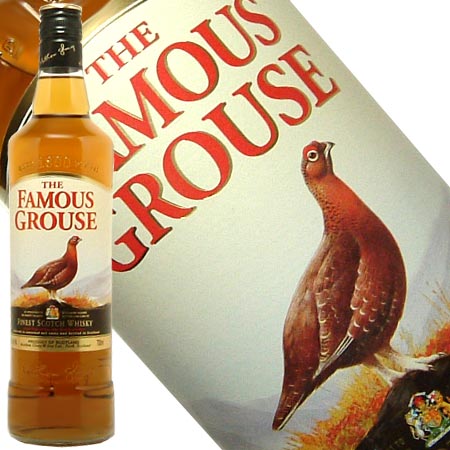


ona ekak ban  habai Rs 800 ta adu badu foddak chaaa
  salli nathi wunaama ithin mak korananda gahala daanawa
kamathima Smirnoff thamai danata gahapu ewain
habai Rs 800 ta adu badu foddak chaaa salli nathi wunaama ithin mak korananda gahala daanawa kamathima Smirnoff thamai danata gahapu ewain
Red rum aka tama banz elaz
aaakaaaaaaa :dull
 uba wena ewwa gahala nadda ban goo hathai neh Red Rum
රා.............................බොන්න
si raaaaaaaaaaa..

Brandy so distilled from a fermented mash of grapes or other fruit. These brandies, aged in oak casks, are usually bottled at either 80 or 84 proof. Long enjoyed as an after-dinner drink, brandy is also widely used in cooking.
COGNAC – this fine brandy, known for its smoothness and heady dry aroma, is produced only in the Cognac region of France (All Cognoc so brandy, but not all brandy is Cognac, nor is all French brandy Cognac)
ARMAGNAC – is much like Cognac but has a drier taste. It is produced only in the Armagnac region of France.
AMERICAN BRANDY – all of which so distilled in California, has its own excellent characteristics of taste. Unlike European brandies (whose farmer-distillers sell their brandies to blender-shippers who control the brand names), California brandies are usually produced by individual firms that grow the grapes, own brand names.
APPLE BRANDY, APPLEJACK or CALVADOS – is distilled from a cider made from apples. Calvados is produced only in Normandy, France. AppleJack may be bottled-in-bond under the same regulations that apply to whiskey.
FRUTT-FLAVORED BRANDIES – are brandy-based liqueurs produced from Blackberries, Peaches, Apeocots, Cherries and Ginger. They are usually bottled at 70 or 80 proof.

Gin, which is distilled from grain, receives its flavor and aroma from juniper berries and other botanicals. (Every gin producer has his own special recipe)
Most gin is colorless, though some brands may be golden or straw-yellow because of aging in barrels. Even though a distiller ages his gin. He cannot, by law, make age claims for his product. Gin sold around the world at 80 proof is bottled in this country at proofs varying from 80 to 94.
DRY GIN – merely signifies that the gin lacks sweetness.
VACUUM-DISTILLED DRY GIN – is distilled in a glass-lined vacuum still at a low 90° Fahrenheit temperature (instead of at the usual 212°), capturing only the light, volatile flavors and aromas without the bitterness found in some gins.
LONDON DRY GIN – originated in England and is now considered a generic term and may appear on American-made gins as well. Dry gins from England are inclined to be a little heavier-bodied.
GOLDEN GIN – is a dry gin which, due to aging in wood, has acquired a golden color.
HOLLAND, GENEVA OR SCHIEDAM GINS – are imported from Holland, where gin originated, are highly flavored and rich in aromatic oils; they do not mix well with other ingredients in cocktails.
OLD TOM GIN – is an English gin that has been sweetened with sugar syrup.
FLAVORED GIN – is a sweet gin usually flavored with orange, lemon or mint.
SLOE GIN – is not a gin at all but a liqueur.

Rum is distilled from the fermented juice of sugar cane, cane syrup and molasses at less than 190 proof (160 proof for New England rum) and bottled at not less then 80 proof. It is aged in uncharred barrels where it picks up very little coloring; dark rums often have caramel added to them for color
Most rums are blends of several aged rums, ranging from heavy, pungent types to light, brandy like varieties selected for special aroma, flavor and color. There are two main types of rum;
LIGHT-BODIED RUMS – are dry with only a very slight molasses flavor. Available in two varieties, white and Gold Label (or Light and Dark), the Gold or Dark is usually a bit sweeter with a more pronounced taste. Among these rums are included rums from ate also produced in the Dominican Republic, Haiti, Venezuela, Mexico, Hawaii and the Philippines.
HEAVY-BODIED RUMS – are darker, sweeter and have a pungent bouquet, body and flavor. These are distilled by a different and slower fermentation process, which allows more time for a fuller, richer molasses like body to develop and include rums from Jamaica, Drmerara (British Guiana), Martinique, Trinidad, Barbados and New England.
