


Dr . Yasas Gabadage
2tlSopsohnsoredc ·
කොරෝනා පැනියෙ ක්ලිකල් ට්රයල් එක .
ඇයි දොස්තරලාට මෙච්චර අමාරු
1.ක්ලිකල් ට්රයල් එකක් ලෙඩ්ඩු 25 අරගෙන කරන්න බෑ.
2. ඒක කරල තියෙන්නේ වතුපිටිවල රෝහලේ නෙවෙයි . රෝහලට එලියෙන් තියෙන නිරෝදායනය මද්යස්තානයක. ඒ කියන්නේ කොහොමත් රෝග ලක්ශන නැති නිකම්ම හොදවෙලා යන සෙට් එකකට.
3. එහෙම එකක් කලා කියල රෝහලේ ප්රදානියා දැනගෙන හිටියේ නෑ .
4. එම නිරෝදායනය මද්යස්තානයට වග කිවුව වතුපිටිවල රෝහලේ vpල දෙන්නම මේ ට්රයල් එක ගැන දන්නෙ නෑ.
5. ට්රයල් එක කරන්නේ වතුපිටිවල රෝහලේ quality control ඩොක්ට. සහබාගී කරගන්න vp ගම්පහ ඉස්පිරිතාලෙ .
6. ට්රයල් එකක් කරන්න පෞද්ගලික හිතවත්කම් මත බෑ . ඒකට රිසච් පේපර් එකක් දාල ඒකට ethical clearance හම්බවෙන්න ඕන . මේ ට්රයල් එකට එහෙම එකක් නෑ.
7. ඒ ට්රයල් එකේ හිටපු බෙහෙත හම්බවෙච්ච නැති අයටත් කොහොමත් හොද උනා.
8. රෝගලක්ෂණ නැති අයට කොරෝනා කොහොමත් දවස් 7-10 අතර කාලයක් තුලදී නිකම්ම හොදවෙලා යනවා. ලන්කාවෙ තියෙන ක්රමය හින්දා මේ ට්රයල් එකේ හිටපු ලෙඩ්ඩුන්ට බෙහෙත් පටන්ගත්තෙ රෝගය හැදිල කීවෙනි දවසෙද කියල කියන්න බෑ.
9. බටහිර වෙදකම ඉගනගත්ත දොස්තර කෙනෙකුට ආයුර්වේද බෙහෙත් නියම කරන්න බෑ. ඒක නීති විරෝදී.
ඒ වගේම මේ හැම ලෙඩාගෙම ටිකට් වල පර්යේශන මට්ටමේ තියෙන ඖෂධීයක් ලබාගැනීමට ලිඛිතව කැමැත්ත ප්රකාශ කර තිබිය යුතුයි. මේ වගේ එහෙම නෑ.
තේරෙන බාසාවෙන් කියනවා නම් කපුව අදුරන දොස්තර කෙනෙක් අල්ලගෙන කොරෝනා කොහොමත් හොදවෙන ලෙඩ්ඩු ටිකකට බෙහෙත දීල තවත් අදුරන vp කෙනෙක් අල්ලාගෙන ඒකට විශේශඤ සීල් එකත් ගහගෙන ඒ ජාතියෙම මහාචාර්ය කෙනෙක් ලයින් කරගෙන මුලු රටම අන්දනවා.
ඒක පෙන්නල දෙන අපිට මිනිස්සු හෙන ඉල්ලනවා .
මොකක් හරි ජිල්මාට් එකක් වෙලා තියන බවයි පෙනී යන්නේ
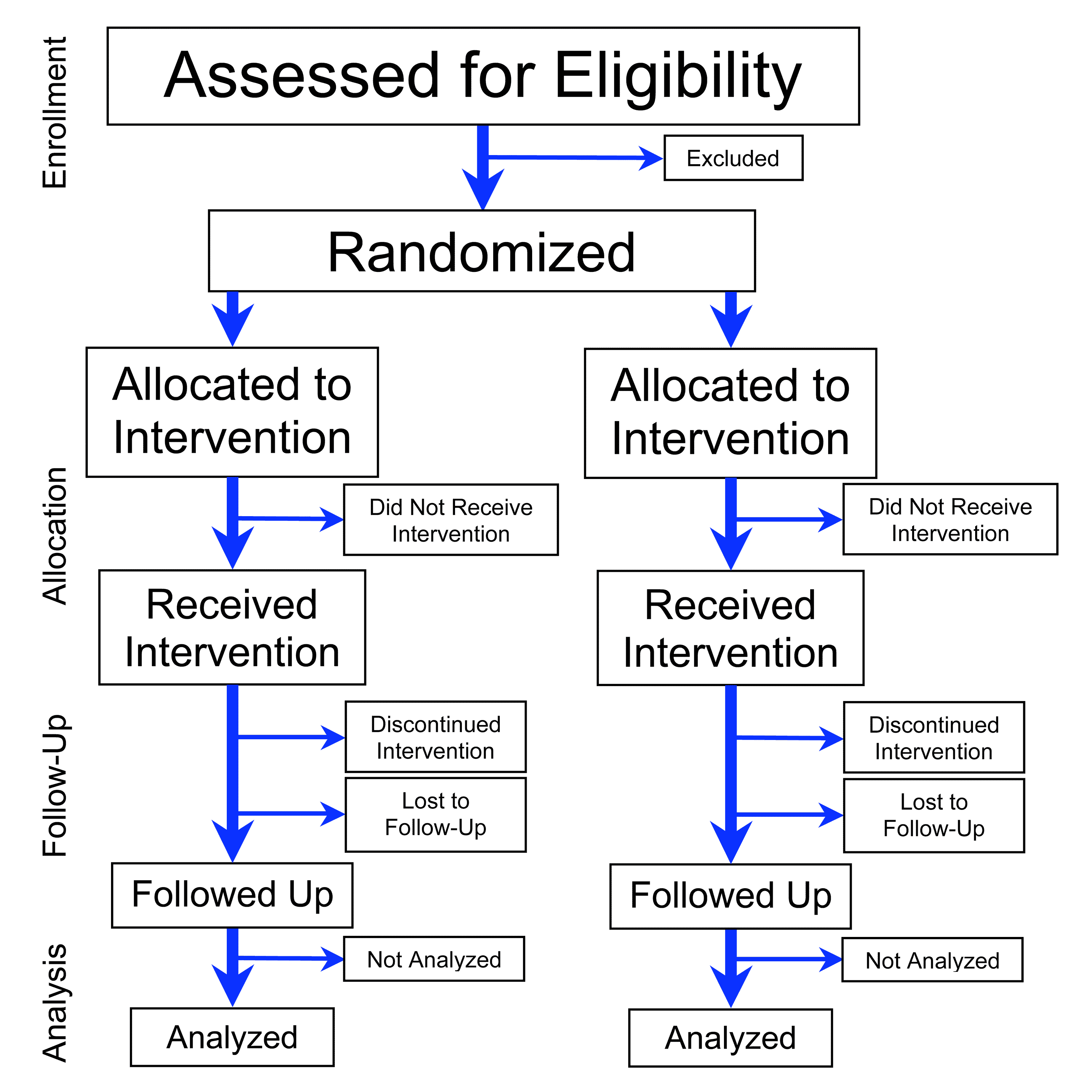
https://en.wikipedia.org/wiki/Randomized_controlled_trial
A randomized controlled trial (or randomized control trial;[2] RCT) is a type of scientific (often medical) experiment that aims to reduce certain sources of bias when testing the effectiveness of new treatments; this is accomplished by randomly allocating subjects to two or more groups, treating them differently, and then comparing them with respect to a measured response. One group—the experimental group—receives the intervention being assessed, while the other—usually called the control group—receives an alternative treatment, such as a placebo or no intervention. The groups are monitored under conditions of the trial design to determine the effectiveness of the experimental intervention, and efficacy is assessed in comparison to the control. [3] There may be more than one treatment group or more than one control group.
The trial may be blinded, meaning that information which may influence the participants is withheld until after the experiment is complete. A blind can be imposed on any participant of an experiment, including subjects, researchers, technicians, data analysts, and evaluators. Effective blinding may reduce or eliminate some sources of experimental bias.
The randomness in the assignment of subjects to groups reduces selection bias and allocation bias, balancing both known and unknown prognostic factors, in the assignment of treatments.[4] Blinding reduces other forms of experimenter and subject biases.
A well-blinded RCT is often considered the gold standard for clinical trials. Blinded RCTs are commonly used to test the efficacy of medical interventions and may additionally provide information about adverse effects, such as drug reactions.
The terms "RCT" and "randomized trial" are sometimes used synonymously, but the latter term omits mention of controls and can therefore describe studies that compare multiple treatment groups with each other in the absence of a control group.[5] Similarly, the initialism is sometimes expanded as "randomized clinical trial" or "randomized comparative trial", leading to ambiguity in the scientific literature.[6][7] Not all randomized clinical trials are randomized controlled trials (and some of them could never be, as in cases where controls would be impractical or unethical to institute). The term randomized controlled clinical trial is an alternative term used in clinical research;[8] however, RCTs are also employed in other research areas, including many of the social sciences.
ලංකාවේ මිථ්යා හරක්ට මොන ට්රයල් ද බං


