ඇල්බට් අයින්ස්ටයින්ගේ කොළඹ ගමන. Elbert Einsteins trip to Sri Lanka

pavithra_uk

Well-known member
  • Oct 6, 2009
    53,552
    22,250
    113
    Gotland
    කොළඹ ගැන විතරනේ කියල තින්නේ

    රටේ අනිත් ප්‍රදේශ වල සංචාරය ගැන ඇයි දන්නේ නෑ හංගල තියෙන්නේ බණ්ඩාරවෙල ගිය එක සීගිරියේ ගිය එක ගැන කියන්නේ කොහොමද ආපහු යනකොට පුස්කොල පොත් කීයක් උස්සන් ගියාද කියල කොහෙවත් සටහනක් නෑ

    අයින්ස්ටයින් ලංකාවට ඇවිත් කාලෙකට පස්සේ ඉදිරපත් කරනව E=MC^2 සමීකරණයක්. ජර්මනියේ අත්හදා බලන්න ඔන්න මෙන්න තිබ්බ අති විශේෂ යානා ගැන හෙළි වෙන්නේ සැහෙන්න කාලෙකට පස්සේ අයින්ස්ටයින් ඇමරිකාවට ගියාට පස්සේ තමයි පරමාණු බොම්බේ ඉදන් ඒරියා 51 වෙනකන් සිද්දි දාමයක් ඇති වෙන්නේ. කව්රුත් කියන්නේ නෑ මේ ඔක්කොම උනේ අයින්ස්ටයින්ගේ ලංකා ගමනෙන් පස්සේ කියල


    Yee

    Well-known member
  • Feb 4, 2021
    420
    654
    93
    ඇල්බට් හා එල්සා කොළඹ වරායට ළගා වුණේ 1922 ඔක්තෝබර් 26 වනදා සවස. ‘කිතානෝ මාරු‘ නැව ජෙටියේ ගාල් කළ පසු ඔවුන් හමු වූ මුල් ම ලාංකිකයා වුයේ අයින්ස්ටයින් නමට ලැබී තිබූ ටෙලිග‍්‍රෑම් රැගෙන ආ සිහින්, සුදුවන් රැවුලක් ඇති පුද්ගලයෙක්. සමහර විට වරාය සේවකයකු හෝ නැව් සමාගම් සේවකයකු විය හැකියි. තම කාරිය ඉටු කොට එයට ‘ටිප් ’ එකක් ඉල්ලා සිටි බවත්, මේ මිනිසා ගැන කණගාටුවක් ඇති වූ බවත් අයින්ස්ටයින් දින පොතේ ලියා තිබෙනවා.

    ඔවුන් නගර සංචාරයකට නැවෙන් එළියට ආ විට ඒ සඳහා තිබුණු එක ම ප‍්‍රවාහන ක‍්‍රමය වූයේ රික්ෂෝයි. තවත් මිනිසෙකු ඇද ගෙන යන වාහනයකට අයින්ස්ටයින් කැමති වූයේ නැහැ. ‘silin දෙකයි – sili, දෙකයි’ යනුවෙන් ඝෝෂා කරමින් ජෙටිය අවට පොර කන රික්ෂෝකරුවන් දුටු අයින්ස්ටයින් මවිත වූවා. එවිට නැවේ නිලධාරියකු කීවේ: ‘ඔබ දැන් ඉන්නේ පෙරදිග රටක. එහි යථාර්ථයට මුහුණ දෙන්න’ කියායි.

    ‘ලාංකික රික්ෂෝකරුවන් සිරුරෙන් කුඩා වූවත් ඔවුන්ට යොධ සවියක් ඇති බව පෙනෙවා. තවත් මනුෂ්‍යයකුගේ සවියෙන් ගමන් කිරීම මට මහත් පිළිකුල් සහගත කාරියක් වුවත් වෙන් කළ හැකි දෙයක් තිබුණේ නැහැ..

    කොළඹ යාචකයන් ගැන ඔහු ලීවේ මෙයයි. ‘නාඳුනන අයකු දුටු විට රොත්තක් මෙන් එක් රැස් වන මේ යාචකයන් තමන්ගේ දුක් ගැනවිලි ගැන කියමින් සිඟමන් ඉල්ලන්නට ඉතා සමත්. එයින් ඕනෑම සිතක් උණු විය හැකියි.’

    යාචකයින් මෙන් ම මහමග දුටු වෙනත් දුගී පෙනුම ඇති ලාංකිකයන් ගැන ද අයින්ස්ටයින් සානුකම්පිතව ලියනවා. ‘දුඹුරු හෝ කාල වර්ණ සම ඇති මේ අයගේ මුහුණුවල බොහෝ හැගීම් ප‍්‍රකාශ වෙනවා. ඇත්තට ම ප‍්‍රභූ සම්භාවයක් තිබී පසුව අසරණ වූ ගතියක් පෙනෙනවා. දුක්ඛිත පෙනුමට යටින් සියුම් ප්‍රෞඩත්වයක් ද දැකිය හැකියි.’

    සීමිත නීරික්‍ෂණ මත පදනම්ව අයින්ස්ටයින් ලාංකිකයන් ගැන කියා ඇත්තේ මෙබන්දක්: ‘‘(ශීත ඝෘතු පවතින රටවලට වඩා) වසර පුරා සිරුරට දරා ගත හැකි ඝර්ම කලාපීය දේශගුණයක් පවතින ලංකා දුපතේ වැසියන් කලබලයකින් තොරව බොහෝ කොට ම වර්තමානයේ සිදු වන දේ ගැන පමණක් කල්පනා කරනවා. අතීතය හෝ අනාගතය හෝ ගැන ඔවුන් ඉඳහිටවත් මෙනෙහි කරනවා නම් ඒ පැය කාලක් (විනාඩි 15) පසුපසට හෝ ඉදිරියට පමණයි. ගුණයෙන් පිරිහුණු, රළු හා කෑදර යුරෝපීයයන්ට වඩා මොවුන් සංවරශීලියි. එහෙත් යුරෝපීයයන් භෞතික පරිසරය ජය ගන්නේ ඔවුන් සතු එම ගුණාංග නිසාමයි.’‘

    අයින්ස්ටයින් කොළඹ නගරයේ ගත කළ කාලය ගැන ලියූ සටහන් අතර "ඔවුන් ජීවත් වන්නේ ඉතා අපිරිසිදු සහ සැලකිය යුතු දුර්ගන්ධයක් නිකුත්වන පොළොවක. ඔවුන් සුළුවෙන් වැඩ කරන නිසා, අවශ්‍යතාවන් ද අඩුයි," යනුවෙන් සඳහන් කර තිබිණි.
    150885961-10158457252614843-6796048654741605083-n.jpg


    Source Amazon product ASIN 0691174415
    Meke fb dapu post ekak ehema nadda share karanda🤭
     

    hasithayad

    Well-known member
  • Sep 28, 2011
    30,793
    1
    45,001
    113
    පොඩ්ඩක් ඕකෙ ඔරිජිනල් ඉංග්‍රීසි කෑල්ල හොයාගෙන බලපම්. ඔය හෑල්ලෙ 50%කට වඩා ඇත්තෙ ලියපු එකාගෙ හිතලු :lol:
     

    lovethebomb

    Well-known member
  • Apr 18, 2015
    4,785
    9,158
    113
    Astute observations though. මිනිහ අපේ අලස කම ප්‍රධාන වශයෙන් ලඝුකරන්නෙ සෞම්‍ය දේශගුණයට. කාලෙකට කලින් මෙයාගෙ ට්‍රැවල් ඩයරි එක යම් දුරකට කියෙව්වා. ඒකෙදි ලංකාවෙ රික්ෂො එකක නැගල යද්දි එයාට දැනුන වරදකාරී හැඟීම (ඒ කාලෙ white guilt එක) විස්තර කරනව. අපේ හිත්වල සියුම් ප්‍රෞඩත්වය පොඩ්ඩක් පැත්තට දාල බැලුවොත් ලංකාව ගැන ලියවුන කොටස ඒ තරම් අගතීන් ප්‍රමුඛව ලියවිලා නෑ මෙහෙම තමයි ඉතින් ඒ කාලෙ හැටියට ලිබරල් සුද්දෙක්ට ආසියාව පේන්නෙ. චීනෙ මිනිස්සු ගැන අයින්ස්ටයින් ලියපු ඒව බලන්න, එයාල ගැනනම් ඒ තරම් සහකම්පිත වෙලා නෑ.

    සුදු ස්වෝත්තමවාදී ඉම්පීරියලිස්ටික් පප්පා කෙනෙක් මීට වඩා සැර කතා ටිකක් කියන්න තිබ්බ.


    පලි:

    මේ තියෙන්නෙ ලංකාව ගැන කතා කරන කොටස (from The Travel Diaries of Albert Einstein):

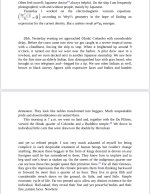
    "Yesterday evening we approached Colombo with considerable delay. Before the coast came into view we got caught in a severe tropical storm with a cloudburst, forcing the ship to stop. When it brightened up around 9 o’clock, it turned out that we were near the harbor. A pilot drew near in a rowboat, and we soon docked next to another Japanese steamship. We saw here for the first time an elderly Indian, fine, distinguished face with gray beard, who brought us two telegrams and—begged for a tip. We saw other Indians as well, brown to black sinewy figures with expressive faces and bodies and humble demeanor. They look like nobles transformed into beggars. Much unspeakable pride and downtroddenness are united there.

    This morning at 7 a.m. we went on land and, together with the Du Plâtres, viewed the Hindu quarter of Colombo and a Buddhist temple.

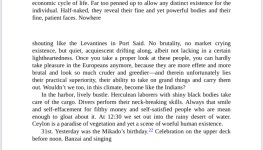
    We drove in individual little carts that were drawn on the double by Herculean and yet so refined people. I was very much ashamed of myself for being complicit in such despicable treatment of human beings but couldn’t change anything. Because these beggars in the form of kings descend in droves on any foreigner until he has surrendered to them. They know how to implore and to beg until one’s heart is shaken up. On the streets of the indigenous quarter one can see how these fine people spend their primitive lives. For all their fineness, they give the impression that the climate prevents them from thinking backward or forward by more than a quarter of an hour. They live in great filth and considerable stench down on the ground, do little, and need little. Simple economic cycle of life. Far too penned up to allow any distinct existence for the individual. Half-naked, they reveal their fine and yet powerful bodies and their fine, patient faces.

    Nowhere shouting like the Levantines in Port Said. No brutality, no market crying existence, but quiet, acquiescent drifting along, albeit not lacking in a certain lightheartedness. Once you take a proper look at these people, you can hardly take pleasure in the Europeans anymore, because they are more effete and more brutal and look so much cruder and greedier—and therein unfortunately lies their practical superiority, their ability to take on grand things and carry them out. Wouldn’t we too, in this climate, become like the Indians?

    In the harbor, lively bustle. Herculean laborers with shiny black bodies take care of the cargo. Divers perform their neck-breaking skills. Always that smile and self-effacement for filthy money and self-satisfied people who are mean enough to gloat about it. At 12:30 we set out into the rainy desert of water. Ceylon is a paradise of vegetation and yet a scene of woeful human existence."


    (Yes, he really does refer to Ceylonese as Indians 🙂. I mean, in the eyes of a nonchalant European, what's the difference.)
     

    Attachments

    • C4BBF5D3-CAF8-463A-B3EE-5A713891D572.jpeg
      C4BBF5D3-CAF8-463A-B3EE-5A713891D572.jpeg
      364.7 KB · Views: 53
    • F7C54CCF-63E1-4B0D-BFFE-75CCEA13CCA4.jpeg
      F7C54CCF-63E1-4B0D-BFFE-75CCEA13CCA4.jpeg
      197.5 KB · Views: 55
    Last edited:

    kukku baba

    Well-known member
  • Nov 14, 2009
    17,791
    15,540
    113
    Lankawe
    Astute observations though. මිනිහ අපේ අලස කම ප්‍රධාන වශයෙන් ලඝුකරන්නෙ සෞම්‍ය දේශගුණයට. කාලෙකට කලින් මෙයාගෙ ට්‍රැවල් ඩයරි එක යම් දුරකට කියෙව්වා. ඒකෙදි ලංකාවෙ රික්ෂො එකක නැගල යද්දි එයාට දැනුන වරදකාරී හැඟීම (ඒ කාලෙ white guilt එක) විස්තර කරනව. අපේ හිත්වල සියුම් ප්‍රෞඩත්වය පොඩ්ඩක් පැත්තට දාල බැලුවොත් ලංකාව ගැන ලියවුන කොටස ඒ තරම් අගතීන් ප්‍රමුඛව ලියවිලා නෑ මෙහෙම තමයි ඉතින් ඒ කාලෙ හැටියට ලිබරල් සුද්දෙක්ට ආසියාව පේන්නෙ. චීනෙ මිනිස්සු ගැන අයින්ස්ටයින් ලියපු ඒව බලන්න, එයාල ගැනනම් ඒ තරම් සහකම්පිත වෙලා නෑ.

    සුදු ස්වෝත්තමවාදී ඉම්පීරියලිස්ටික් පප්පා කෙනෙක් මීට වඩා සැර කතා ටිකක් කියන්න තිබ්බ.


    පලි:

    මේ තියෙන්නෙ ලංකාව ගැන කතා කරන කොටස (from The Travel Diaries of Albert Einstein):

    "Yesterday evening we approached Colombo with considerable delay. Before the coast came into view we got caught in a severe tropical storm with a cloudburst, forcing the ship to stop. When it brightened up around 9 o’clock, it turned out that we were near the harbor. A pilot drew near in a rowboat, and we soon docked next to another Japanese steamship. We saw here for the first time an elderly Indian, fine, distinguished face with gray beard, who brought us two telegrams and—begged for a tip. We saw other Indians as well, brown to black sinewy figures with expressive faces and bodies and humble demeanor. They look like nobles transformed into beggars. Much unspeakable pride and downtroddenness are united there.

    This morning at 7 a.m. we went on land and, together with the Du Plâtres, viewed the Hindu quarter of Colombo and a Buddhist temple.

    We drove in individual little carts that were drawn on the double by Herculean and yet so refined people. I was very much ashamed of myself for being complicit in such despicable treatment of human beings but couldn’t change anything. Because these beggars in the form of kings descend in droves on any foreigner until he has surrendered to them. They know how to implore and to beg until one’s heart is shaken up. On the streets of the indigenous quarter one can see how these fine people spend their primitive lives. For all their fineness, they give the impression that the climate prevents them from thinking backward or forward by more than a quarter of an hour. They live in great filth and considerable stench down on the ground, do little, and need little. Simple economic cycle of life. Far too penned up to allow any distinct existence for the individual. Half-naked, they reveal their fine and yet powerful bodies and their fine, patient faces.

    Nowhere shouting like the Levantines in Port Said. No brutality, no market crying existence, but quiet, acquiescent drifting along, albeit not lacking in a certain lightheartedness. Once you take a proper look at these people, you can hardly take pleasure in the Europeans anymore, because they are more effete and more brutal and look so much cruder and greedier—and therein unfortunately lies their practical superiority, their ability to take on grand things and carry them out. Wouldn’t we too, in this climate, become like the Indians?

    In the harbor, lively bustle. Herculean laborers with shiny black bodies take care of the cargo. Divers perform their neck-breaking skills. Always that smile and self-effacement for filthy money and self-satisfied people who are mean enough to gloat about it. At 12:30 we set out into the rainy desert of water. Ceylon is a paradise of vegetation and yet a scene of woeful human existence."


    (Yes, he really does refer to Ceylonese as Indians 🙂. I mean, in the eyes of a nonchalant European, what's the difference.)
    Patta watinwa contribution eka

    පොඩ්ඩක් ඕකෙ ඔරිජිනල් ඉංග්‍රීසි කෑල්ල හොයාගෙන බලපම්. ඔය හෑල්ලෙ 50%කට වඩා ඇත්තෙ ලියපු එකාගෙ හිතලු :lol:
    Na ban original thama balapan book eka
    ------ Post added on Jan 7, 2023 at 4:33 AM

    පොඩ්ඩක් ඕකෙ ඔරිජිනල් ඉංග්‍රීසි කෑල්ල හොයාගෙන බලපම්. ඔය හෑල්ලෙ 50%කට වඩා ඇත්තෙ ලියපු එකාගෙ හිතලු :lol:
    ලොල්
    ------ Post added on Jan 28, 2023 at 4:18 AM
     

    Son Goku

    Well-known member
  • May 21, 2023
    4,582
    6,262
    113
    View attachment 190316View attachment 190317View attachment 190318


    අවු.2500 කෙරුවාව summarize කරගන්න උට ගියේ විනාඩි ගානයි, ඒකට අවු.100ක් ගිහිල්ලත් මෙහෙ උන් තාම! 😅
    ------ Post added on Nov 25, 2022 at 11:22 AM

    gon logic
    lol me thinne dan lankaqe samnya minissu inna widiha . galle hatte ath digata ande nath nam baninawa. . vlog walin loke balanaa modayonta hodai owa.