
Latest ads
-
 Premium Land with House for Sale
- anil1961
- Updated:
-
 AWS Certified Solutions Architect-Associate + AWS Certified Cloud Practitioner
- Sanjeewani95
- Updated:
-
 🚀 එක පැකේජ් එකයි - මාසෙටම Unlimited Internet! 🌐
- sayuru bandara
- Updated:
-
 🎬 CapCut Pro 1 Month Access! LKR 600
- sayuru bandara
- Updated:
-
 🚀 Google One AI PRO Plan (Gemini Pro Activation) – 18 Months Access! LKR 2200
- sayuru bandara
- Updated:
You are using an out of date browser. It may not display this or other websites correctly.
You should upgrade or use an alternative browser.
You should upgrade or use an alternative browser.


මට වැඩි විස්තර කරන්න බැරි වුනා ඒ ගැන..වෙලා යන නිසා මම විකිපීඩියා එකෙන් මේක දාන්නෙ..pads said:බොහොම ස්තුතියි මෙ ගැන කියලා දුන්නට
Guernica is of remarkable size, solely black and white, 3.5 metre (11 ft) tall and 7.8 metre (25.6 ft) wide, a mural-size canvas painted in oil. Picasso's purpose in painting it was not to create the non-representational abstraction typical of some of his contemporaries, such as Kazimir Malevich. Guernica presents a scene of death, violence, brutality, suffering, and helplessness without portraying their immediate causes. The choice to paint in black and white conveys the chronological nearness of a newspaper photograph and the lifelessness war affords.
Guernica depicts suffering people, animals, and buildings wrenched by violence and chaos.
- The overall scene is within a room where, at an open end on the left, a wide-eyed bull stands over a woman grieving over a dead child in her arms.
- The centre is occupied by a horse falling in agony as it had just been run through by a spear or javelin. The shape of a human skull forms the horse's nose and upper teeth.
- Two "hidden" images formed by the horse appear in Guernica (illustrated to the right):
- A human skull is overlayed on the horse's body.
- A bull appears to gore the horse from underneath. The bull's head is formed mainly by the horse's entire front leg which has the knee on the ground. The leg's knee cap forms the head's nose. A horn appears within the horse's breast.
- Under the horse is a dead, apparently dismembered soldier, his hand on a severed arm still grasps a shattered sword from which a flower grows.
- A light bulb blazes in the shape of an eye over the suffering horse's head (the bare bulb of the torturer's cell.)
- To the upper right of the horse, a frightened female figure, who seems to be witnessing the scenes before her, appears to have floated into the room through a window. Her arm, also floating in, carries a flame-lit lamp.
- From the right, an awe-struck woman staggers towards the center below the floating female figure. She looks up blankly into the blazing light bulb.
- Daggers that suggest screaming replace the tongues of the bull, grieving woman, and horse.
- A bird, possibly a dove, stands on a shelf behind the bull in panic.
- On the far right, a figure with arms raised in terror is entrapped by fire from above and below.
- A dark wall with an open door defines the right end of the mural.
- There are stigmata (the supposed marks on the hands of those who have "suffered as Jesus") on the hands of the dead soldier. Picasso was not religious, although he was brought up in the predominantly Catholic Spain, and these symbols are not to be interpreted as Christian identification. This, instead, reflects the idea that all of us suffer often without cause. Here Picasso is using a well recognisable image to demonstrate how we are all like Christ, in that we all suffer and eventually die.


Sinhala Kolla said:මාරයි!! මම අද තමයි දැක්කෙ..iboo ට නම් හොදට අත්දැකීම් තියෙනවා ..විශිෂ්ථ නිර්මාණ ටිකක්..
බොහොම ස්තූතියි DJ.Parker අපිට මේවා පෙන්නුවට!!
නියමෙටම නියමයි නේද? සෑහෙන්න මහන්සි වෙලා...
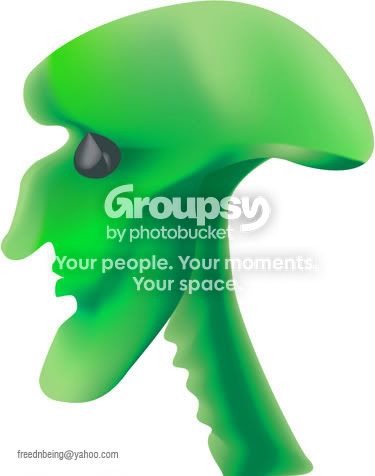
මේකත් Illustrator mesh පාවිච්චි කරලා කරපු එකක්. නිකං විහිළුවට පරීක්ෂණයක අරමුණින් කලේ. ඒත් හොඳට හැදුණ නිසා save කලා. මේ මගේ ඇවාගෙ ඉන්න එක්කෙනාම තමයි.
Sinhala Kolla said:මට වැඩි විස්තර කරන්න බැරි වුනා ඒ ගැන..වෙලා යන නිසා මම විකිපීඩියා එකෙන් මේක දාන්නෙ..
Guernica is of remarkable size, solely black and white, 3.5 metre (11 ft) tall and 7.8 metre (25.6 ft) wide, a mural-size canvas painted in oil. Picasso's purpose in painting it was not to create the non-representational abstraction typical of some of his contemporaries, such as Kazimir Malevich. Guernica presents a scene of death, violence, brutality, suffering, and helplessness without portraying their immediate causes. The choice to paint in black and white conveys the chronological nearness of a newspaper photograph and the lifelessness war affords.
Guernica depicts suffering people, animals, and buildings wrenched by violence and chaos.
- The overall scene is within a room where, at an open end on the left, a wide-eyed bull stands over a woman grieving over a dead child in her arms.
- The centre is occupied by a horse falling in agony as it had just been run through by a spear or javelin. The shape of a human skull forms the horse's nose and upper teeth.
- Two "hidden" images formed by the horse appear in Guernica (illustrated to the right):
- A human skull is overlayed on the horse's body.
- A bull appears to gore the horse from underneath. The bull's head is formed mainly by the horse's entire front leg which has the knee on the ground. The leg's knee cap forms the head's nose. A horn appears within the horse's breast.
- Under the horse is a dead, apparently dismembered soldier, his hand on a severed arm still grasps a shattered sword from which a flower grows.
- A light bulb blazes in the shape of an eye over the suffering horse's head (the bare bulb of the torturer's cell.)
- To the upper right of the horse, a frightened female figure, who seems to be witnessing the scenes before her, appears to have floated into the room through a window. Her arm, also floating in, carries a flame-lit lamp.
- From the right, an awe-struck woman staggers towards the center below the floating female figure. She looks up blankly into the blazing light bulb.
- Daggers that suggest screaming replace the tongues of the bull, grieving woman, and horse.
- A bird, possibly a dove, stands on a shelf behind the bull in panic.
- On the far right, a figure with arms raised in terror is entrapped by fire from above and below.
- A dark wall with an open door defines the right end of the mural.
- There are stigmata (the supposed marks on the hands of those who have "suffered as Jesus") on the hands of the dead soldier. Picasso was not religious, although he was brought up in the predominantly Catholic Spain, and these symbols are not to be interpreted as Christian identification. This, instead, reflects the idea that all of us suffer often without cause. Here Picasso is using a well recognisable image to demonstrate how we are all like Christ, in that we all suffer and eventually die.
thanks godak wistara thiyanawa
thanks again

freednbeing said:මේකත් Illustrator mesh පාවිච්චි කරලා කරපු එකක්. නිකං විහිළුවට පරීක්ෂණයක අරමුණින් කලේ. ඒත් හොඳට හැදුණ නිසා save කලා. මේ මගේ ඇවාගෙ ඉන්න එක්කෙනාම තමයි.
නියමයි.. Illistrator Mesh වලින් කලා කියන්නෙ සෑහෙන්න මහන්සි වෙලා තියෙනවා..

පිටසක්වල කතා ගැන සෑහෙන උනන්දුවක් තියෙනව වගේ...

වැඩිය මහන්සි වුණේ නෑ. නිකම් එහෙ මෙහෙ කරමින් ඉද්දි මැවුණ රූපයක්.Sinhala Kolla said:නියමයි.. Illistrator Mesh වලින් කලා කියන්නෙ සෑහෙන්න මහන්සි වෙලා තියෙනවා..
පිටසක්වල කතා ගැන සෑහෙන උනන්දුවක් තියෙනව වගේ...
ඔව් ඔව්... තේරෙන කාලෙ ඉඳන් එයාල ගැන උනන්දුයි. මොකද එයාලගෙ පැවැත්ම මට නම් තාර්කිකව ඇත්ත.
freednbeing said:වැඩිය මහන්සි වුණේ නෑ. නිකම් එහෙ මෙහෙ කරමින් ඉද්දි මැවුණ රූපයක්.
ඔව් ඔව්... තේරෙන කාලෙ ඉඳන් එයාල ගැන උනන්දුයි. මොකද එයාලගෙ පැවැත්ම මට නම් තාර්කිකව ඇත්ත.
නියමයි..මමත් ඒ විෂය ගැන සෑහෙන දේවල් හොයලා තියෙනවා..උසස් පෙළ ව්*යාපෘතියට කලෙත් පිටසක්වල ජීවීන් ගැන..
අහා නියමයිනේ... මෙයාල තවම සංකල්ප විතරයි. එහෙන් මෙහෙන් ඇටකටු, ඇටසැකිලි හම්බවුණා කියල ක්ව්වට කවුද දන්නේ මොන බොරුද කියල. ඒත් තාර්කිකව ගත්තොත් අපි ඉන්නව වගේ වෙනත් ග්රහ ලොවකත් ජීවය පවතින්න පුළුවන්නේ නේද?Sinhala Kolla said:නියමයි..මමත් ඒ විෂය ගැන සෑහෙන දේවල් හොයලා තියෙනවා..උසස් පෙළ ව්*යාපෘතියට කලෙත් පිටසක්වල ජීවීන් ගැන..
freednbeing said:අහා නියමයිනේ... මෙයාල තවම සංකල්ප විතරයි. එහෙන් මෙහෙන් ඇටකටු, ඇටසැකිලි හම්බවුණා කියල ක්ව්වට කවුද දන්නේ මොන බොරුද කියල. ඒත් තාර්කිකව ගත්තොත් අපි ඉන්නව වගේ වෙනත් ග්රහ ලොවකත් ජීවය පවතින්න පුළුවන්නේ නේද?
අනිවාර්යයෙන්ම..!! විශ්වයේ කොහේ හෝ වෙනත් ග්රහලොවක ජීවින් ඉන්න පුලුවන් මොකද දැනට පිළිගත් මතය අනුව පෘථිවිය මත නෙමෙයි ජීවය ඇතිවුනේ..පෘථිවියට ජීවය පැමිණියේ පිටසක්වලින් කියන එක තමයි පිළිගත් මතය..මොකද ජීවය ඇතිවීමට ගතවන කාලයට වඩා පෘථිවිය ලාබාල නිසා...
හැබැයි පිට සක්වල කිවුවම ඉතින් ගොඩක් අයගෙ හිතේ එකපාරටම මැවෙන්නෙ විද්යා ප්රබන්ධ චිත්රපටවල දර්ශනනෙ
 ...
...මමත් වැඩිය විශ්වාස කරන්නෙ නැහැ පියාඹන පීරිසි ගැන කියන කතා නම්...ඒ පියාඹන පීරිසි දර්ශන වාර්තා ගැන විස්තර හොයලා ඒවාට විද්යාත්මක හේතු ඉදිරිපත් කරපු එක තමයි කලේ.. පිටු ගානක ලොකු ව්යාපෘතියක් නිකම්ම හැදුනා..
මේ හුය ඇතුලේ සම්පූර්ණයෙන්ම වෙනස් ක්ෂේත්රයක් ගැන කතා කරන එක මොන වගේ වෙයිද මන්දා...!!!
අවුලක් නම් නෑ... ඒත් ඕනත් නෑනේ.Sinhala Kolla said:
අනිවාර්යයෙන්ම..!! විශ්වයේ කොහේ හෝ වෙනත් ග්රහලොවක ජීවින් ඉන්න පුලුවන් මොකද දැනට පිළිගත් මතය අනුව පෘථිවිය මත නෙමෙයි ජීවය ඇතිවුනේ..පෘථිවියට ජීවය පැමිණියේ පිටසක්වලින් කියන එක තමයි පිළිගත් මතය..මොකද ජීවය ඇතිවීමට ගතවන කාලයට වඩා පෘථිවිය ලාබාල නිසා...
හැබැයි පිට සක්වල කිවුවම ඉතින් ගොඩක් අයගෙ හිතේ එකපාරටම මැවෙන්නෙ විද්යා ප්රබන්ධ චිත්රපටවල දර්ශනනෙ
මමත් වැඩිය විශ්වාස කරන්නෙ නැහැ පියාඹන පීරිසි ගැන කියන කතා නම්...ඒ පියාඹන පීරිසි දර්ශන වාර්තා ගැන විස්තර හොයලා ඒවාට විද්යාත්මක හේතු ඉදිරිපත් කරපු එක තමයි කලේ.. පිටු ගානක ලොකු ව්යාපෘතියක් නිකම්ම හැදුනා..
මේ හුය ඇතුලේ සම්පූර්ණයෙන්ම වෙනස් ක්ෂේත්රයක් ගැන කතා කරන එක මොන වගේ වෙයිද මන්දා...!!!
දන්නවද මම හෙට අනිද්දම මගේ 11 වසර අතරින් පතර ප්රදර්ශනය පටන්ගන්නවා....
freednbeing said:අවුලක් නම් නෑ... ඒත් ඕනත් නෑනේ.
දන්නවද මම හෙට අනිද්දම මගේ 11 වසර අතරින් පතර ප්රදර්ශනය පටන්ගන්නවා....
ඒක තමයි මාත් බැලුවෙ ප්*රදර්ශනයක් වත්ද කියලා... 11 වසරක් නම් සෑහෙන්න දේවල් ඇති.. ඉතින් අපිටත් Invitation එකක් එහෙම ලැබෙයිනෙ!!
... මාත් කැමතියි බලන්න එන්න විස්තර කිවුවානම්!!
Sinhala Kolla said:ඒක තමයි මාත් බැලුවෙ ප්*රදර්ශනයක් වත්ද කියලා... 11 වසරක් නම් සෑහෙන්න දේවල් ඇති.. ඉතින් අපිටත් Invitation එකක් එහෙම ලැබෙයිනෙ!!
මම ආරාධනා කරන්නම්කෝ PM කරලා...

I like harshas abstracts.. Tring to tell a story from basic colours and shapes right?really nice work bro! 
And sinha kolla..you paintings remind me of Mr.Srinaths paintings...Are you a student of his?
And sinha kolla..you paintings remind me of Mr.Srinaths paintings...Are you a student of his?

මගේ නම වරද්දගත්තට මුකූත් කියන්නෑ මම. මොකද මාව අප් කරලනේ ඔයා... තෑන්ක්ස්...Designer255 said:I like harshas abstracts.. Tring to tell a story from basic colours and shapes right?really nice work bro!
And sinha kolla..you paintings remind me of Mr.Srinaths paintings...Are you a student of his?
සිංහල කොල්ල තමයි ශ්රීනාත් මහත්මයගෙ පුත්ර රත්නය... එයාගෙ බ්ලොග් එක බලන්නකෝ...


Similar threads

- Replies
- 5
- Views
- 225

- Replies
- 3
- Views
- 134


- Replies
- 2
- Views
- 188


- Replies
- 101
- Views
- 2K
