

Latest ads
-
 Premium Land with House for Sale
- anil1961
- Updated:
-
 AWS Certified Solutions Architect-Associate + AWS Certified Cloud Practitioner
- Sanjeewani95
- Updated:
-
 🚀 එක පැකේජ් එකයි - මාසෙටම Unlimited Internet! 🌐
- sayuru bandara
- Updated:
-
 🎬 CapCut Pro 1 Month Access! LKR 600
- sayuru bandara
- Updated:
-
 🚀 Google One AI PRO Plan (Gemini Pro Activation) – 18 Months Access! LKR 2200
- sayuru bandara
- Updated:
ධාරාවක් ගමං කරද්දි, සන්නායකය වටේ..
- Thread starter AnuradhaRa
- Start date
You are using an out of date browser. It may not display this or other websites correctly.
You should upgrade or use an alternative browser.
You should upgrade or use an alternative browser.


තවම උත්තරයක් නැත...
You got it mixed up...
at t= 0 (as soon as the battery is connected) the rate of change of current di/dt is not zero and is finite. So there is a back emf in the inductor which is L*(di/dt) till the current reaches the maximum value (which is governed by the resistance in the circuit - if there is no resistor, there is an inherent resistance in the coil of the inductor - it is not zero - which limits the current)
Once the current reaches it's maximum di/dt=0 and the inductor no longer operates and there is no back emf.
It is di/dt that matters!
Last edited:
You got it mixed up...
at t= 0 (as soon as the battery is connected) the rate of change of current di/dt is not zero and is finite. So there is a back emf in the inductor which is L*(di/dt) till the current reaches the maximum value (which is governed by the resistance in the circuit - if there is no resistor, there is an inherent resistance in the coil of the inductor - it is not zero - which limits the current)
Once the current reaches it's maximum di/dt=0 and the inductor no longer operates and there is no back emf.
It is di/dt that matters!
ඔබ තුමා එනකං තමා හිටියෙ
ඉන්ඩකො පොඩ්ඩක් තේරුම් ගන්නකං මේ ඉංගිරිස් ටික
You got it mixed up...
at t= 0 (as soon as the battery is connected) the rate of change of current di/dt is not zero and is finite. So there is a back emf in the inductor which is L*(di/dt) till the current reaches the maximum value (which is governed by the resistance in the circuit - if there is no resistor, there is an inherent resistance in the coil of the inductor - it is not zero - which limits the current)
Once the current reaches it's maximum di/dt=0 and the inductor no longer operates and there is no back emf.
It is di/dt that matters!
ඔයා කියන්නෙ ස්විච් එක දාපු ගමං ඇතිවෙන ධාරා වෙනස බින්දුවක් නෙමේ කියල
and is finite කිව්වෙ

Yes... In fact you yourself stated in your original post!ඔයා කියන්නෙ ස්විච් එක දාපු ගමං ඇතිවෙන ධාරා වෙනස බින්දුවක් නෙමේ කියල
and is finite කිව්වෙ

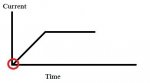

Yes... and the back emf persists till the current ramps up. When the current remains steady, obviously di/dt=0 (there is to rate of change of current) and there is no back emf. When you switch off exactly the same happens in the reverse direction.
Yes... and the back emf persists till the current ramps up. When the current remains steady, obviously di/dt=0 (there is to rate of change of current) and there is no back emf. When you switch off exactly the same happens in the reverse direction.
මටනං මේක තාම අවුල්.. මේ පොයින්ට් එක හරියටම පැහැදිලි කරල තියෙන සයිට්වල ලින්ක්ස් ටිකක් දාන්ඩකො..


emf ekak hadenna ac wennama oni ne bn? @AnuradhaRa`ඒත් මේ කොයිල් එකේ හටගන්න වි.චු ක්ෂේත්රය ටික ටික අඩු වෙනව. ´ එහෙම වෙන්නැ,dc - emf නියතයි
Ac-emf වාචල්යයි.

ඔව්emf ekak hadenna ac wennama oni ne bn? @AnuradhaRa
වැඩ්ඩෙක් ඉන්නවනං මේක පැහැදිලි කරල දෙන්ඩ
2015 දාපු ත්රෙඩ් එකක්
තාම හොඳ පැහැදිලි කිරීමක් කෙරුවෙ නෑ කවුරුත්
------ Post added on Mar 31, 2021 at 12:39 PM
Similar threads


- Replies
- 22
- Views
- 2K


