
Latest ads
-
Singapore V2Ray VPN for Tunneling
- hu KANNA
- Updated:
-
 Plan your Crypto & Forex entries before you take the trade
- romeshnonis
- Updated:
-
 RHCSA, RHCE, AWS, Docker, Kubernetes Training
- Sanjeewani95
- Updated:
-
 🛡️ Kaspersky Antivirus – 1 Year / 1 Device | Rs. 2,300 | Only 9 Left
- KSPathirana
- Updated:
-
Professional CCTV Installation Service
- Techguy231
- Updated:
You are using an out of date browser. It may not display this or other websites correctly.
You should upgrade or use an alternative browser.
You should upgrade or use an alternative browser.
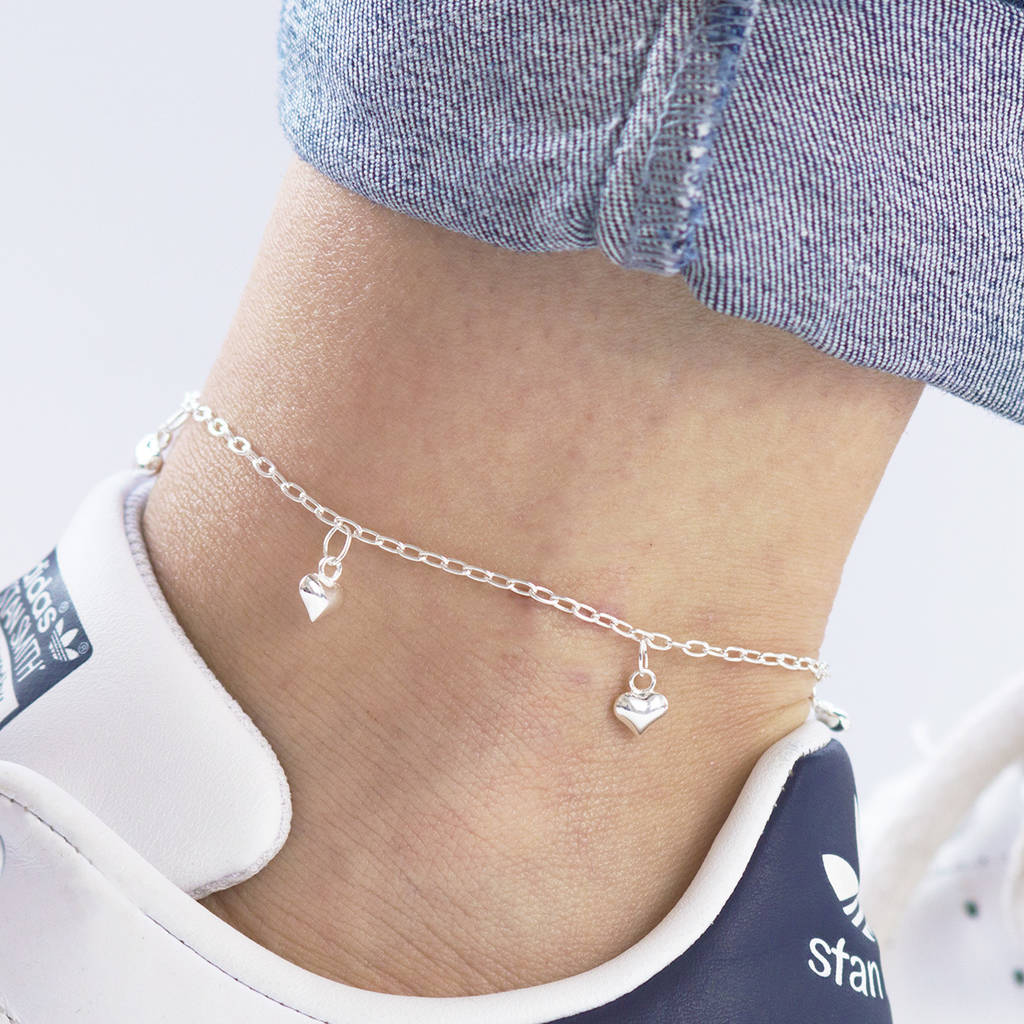


demalune bn oya hutht£_£& danne!
ahema sex seen ekakata newe bn, lankawe minissu hitha inne ahemane

Wearing of toe rings is practiced in India. Toe rings have been a part of the Indian culture since the Ramayana times, there has been a mention of Sita, when abducted by Ravana, threw her toe ring in the way, so that lord Rama could find her. So from the Ramayana times, till now, toe rings have been a part of a married woman’s symbol. In many different Indian cultures, the husband puts the toe rings on his wife’s second toe of both feet, during the wedding ceremony. It is worn as a symbol of the married state by Hindu women and is called bichiya (pronounced: bee-chee-ya) in Hindi, minji (മിഞ്ചി) in Malayalam jodavi (जोडवी) in Marathi, Mettelu (మెట్టెలు) in Telugu, Metti/Kanaiyazhi in Tamil (மெட்டி/கணையாழி), Kaalungura (ಕಾಲುಂಗುರಗಳು) in Kannada.
A ceremony welcoming the newly wed bride to her new home. Bride wearing toe-ring (bichiya), worn as symbol of the married state of Hindu women.
Gold Bichiya/Metti (toe-ring), early 19th century
The toe rings in India are usually made of silver and worn in pairs (unlike the trend in Western countries, where they are worn singly or in unmatched pairs) on the second toe of both feet. Traditionally they are quite ornate, though more contemporary designs are now being developed to cater to the modern bride. Some 'bichiya sets' may have pairs for four of the five toes, excluding the little pinky. 'Bichiyas' may not be made of gold, as gold holds a 'respected' status and may not be worn below the waist by Hindus, but this is not followed very strictly and toe rings made of gold and diamonds are commonly seen. These rings would be put on the toes and never removed. The rings would show that the woman is married

A ceremony welcoming the newly wed bride to her new home. Bride wearing toe-ring (bichiya), worn as symbol of the married state of Hindu women.
Gold Bichiya/Metti (toe-ring), early 19th century
The toe rings in India are usually made of silver and worn in pairs (unlike the trend in Western countries, where they are worn singly or in unmatched pairs) on the second toe of both feet. Traditionally they are quite ornate, though more contemporary designs are now being developed to cater to the modern bride. Some 'bichiya sets' may have pairs for four of the five toes, excluding the little pinky. 'Bichiyas' may not be made of gold, as gold holds a 'respected' status and may not be worn below the waist by Hindus, but this is not followed very strictly and toe rings made of gold and diamonds are commonly seen. These rings would be put on the toes and never removed. The rings would show that the woman is married

ahema sex seen ekakata newe bn, lankawe minissu hitha inne ahemane
හිතං ඉන්නව නෙමේ කාමය ඇවිස්සෙනව

දැං ඔය ගෑනු බඩ පේන්ඩ සාරි අඳින්නෙ. පිට පේන්ඩ හැට්ට අඳින්නෙ.. දෙයියන්ගෙම පිහිටයි ඉතිං..
මට ඔය කකුල දුන්නොත් ඔඩොක්කුවෙ තියාගෙන නියපොතු ටික කපල දෙනව


කෙල්ලො ෆැෂන් කරල පාරෙ යනව අපි අනාතයි. පපුව පැලෙන්ඩ එනව
Kello ලස්සනට ඉන්න තරමට නේ bn අපිත් අසා
මට ඔය කකුල දුන්නොත් ඔඩොක්කුවෙ තියාගෙන නියපොතු ටික කපල දෙනව
Number eka dennam මේ කෙල්ලගේ


machan la
ma asayi kello mewage anklet danawata.kellae gedarin kiyala danna epa kiyala
mokada bn me ape lankawe un mewata kamathi natthe
ubalamokada kiyanne megana
Umbawath daaganin ehenam
Similar threads
- Replies
- 127
- Views
- 12K


