

Latest ads
-
Singapore V2Ray VPN for Tunneling
- hu KANNA
- Updated:
-
 Dating Website & Online Chat Room
- hotvideo
- Updated:
-
 DJI Mini 4 Pro Drone Combo Plus
- Hawaka
- Updated:
-
USA Linux OpenVZ VPS අඩු මිලකට
- Nadun26
- Updated:
-
Shared Hosting වාර්ෂිකව රු 2200 සිට!
- Nadun26
- Updated:
බෙහෙත් පෙත්තෙන් ලැප්ටොප් එකෙන් ගහන අසාධාරාන වැට් බද්ද ඉවතට
- Thread starter helplesser
- Start date
You are using an out of date browser. It may not display this or other websites correctly.
You should upgrade or use an alternative browser.
You should upgrade or use an alternative browser.


bookmark karala thiya ganin





Gov jobs for all, free shelters for all, free education for all, free medicine for all free... You want something, ah ask away Anrayya. everything is free...
one question. Who pays the expenses?
one question. Who pays the expenses?

මේවා ඉතින් ගලේ කෙටුව වගේ තමා.bookmark karala thiya ganin
නාකි හොර හැත්ත කියන කෙබර වගේ නෙවේ

ආයේ පාරක් පාරේGov jobs for all, free shelters for all, free education for all, free medicine for all free... You want something, ah ask away Anrayya. everything is free...
one question. Who pays the expenses?
The concept you're describing is often referred to as a universal welfare state, where the government provides extensive public services and benefits to all citizens at no direct cost to the individual. The expenses for such a system are typically covered through various forms of taxation and other government revenue sources. Here's a breakdown of how it could work:Gov jobs for all, free shelters for all, free education for all, free medicine for all free... You want something, ah ask away Anrayya. everything is free...
one question. Who pays the expenses?
1. **Taxes**: The primary source of funding would be taxes, including income taxes, corporate taxes, value-added taxes (VAT), and other forms of taxation. Progressive taxation, where higher earners pay a larger percentage of their income, is often used to ensure that wealthier individuals and corporations contribute more to the funding of public services.
2. **Economic Growth**: A well-educated, healthy, and secure population can contribute to economic growth, which in turn increases tax revenues. Investments in education, healthcare, and social services can create a more productive workforce.
3. **Government Borrowing**: Governments can issue bonds and take on debt to finance public services. However, this is typically a temporary measure, as accumulating too much debt can lead to financial instability.
4. **Natural Resources and Public Assets**: Revenue from natural resources (e.g., oil, minerals) and public assets (e.g., state-owned enterprises) can also contribute to funding public services.
5. **Redistribution of Wealth**: Policies aimed at redistributing wealth, such as wealth taxes, inheritance taxes, and capital gains taxes, can help to fund public services and reduce economic inequality.
6. **Efficiency and Cost Savings**: Governments can implement measures to increase efficiency and reduce waste in public spending. This can involve using technology, reducing bureaucracy, and negotiating better prices for goods and services.
In practice, the balance and combination of these funding sources vary by country and depend on economic conditions, political priorities, and societal values. Implementing and sustaining such a comprehensive welfare state would require careful planning, robust economic policies, and broad public support.

Karai pamkak .Mona unath rata le wilak karala nathara karanne .purudu dene

අනුර සහෝ
90% ස්තීරයි
Thattaya (DP) is back yakowwww

Uberlata lesi wenne na
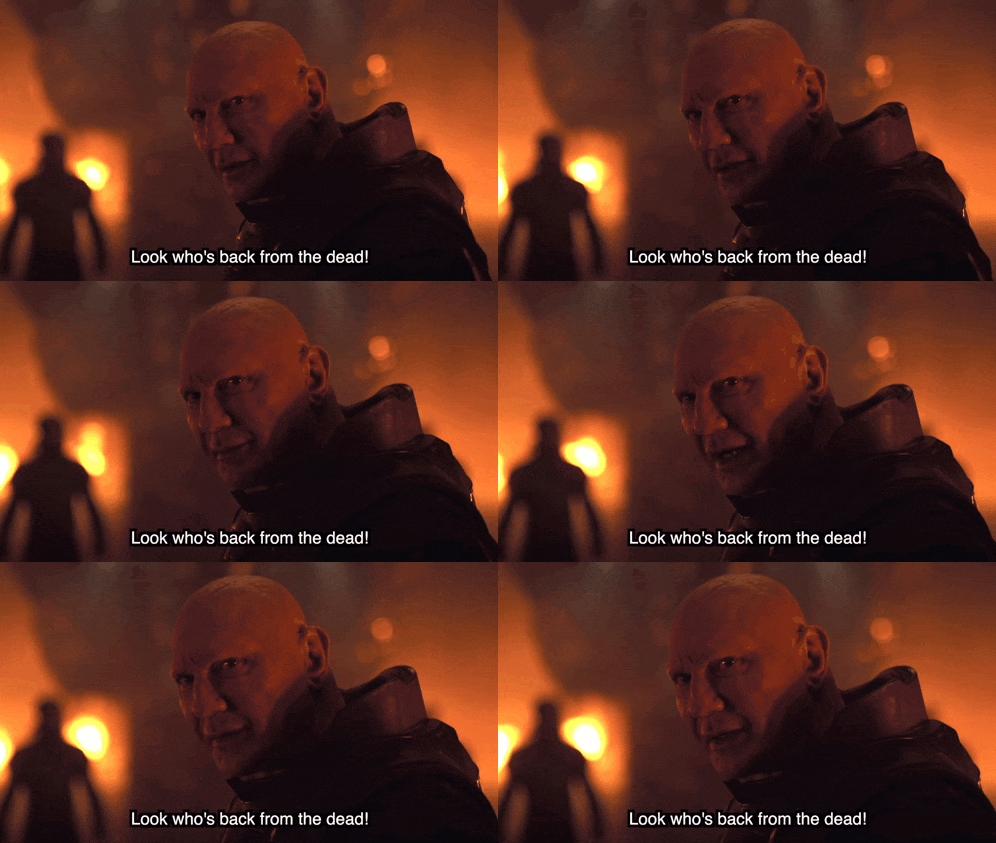

මූ දිනයිද?අැමරිකාව නම් කැමති නෑ මුන්ට ඒක ෂුවර්..හැබැයි මුං පැරදුණත් නිකන්ම යන ඵකක් නෑ.හොඳ ජල්ලියක් අල්ලයි..JVP උන් දැන් ඉන්නේ දිනනම මානසිකත්වයෙන්..ඒක නැති වුනා කියන්නේ සැණකෙලි තමා..කෝකටත් චන්දෙට කලින් සති 2කට විතර කන බොන දේවල් ටිකක් ස්ටොක් කරල තියාගනින්..Curfew දැම්මොත් බඩුම තමා 


අනුර දිනලා ඉවරයි බන්. මගේ හිතෙත් අනුර, උබේ හිතෙත් අනුරThattaya (DP) is back yakowwww
Uberlata lesi wenne na
මට වැටහෙන්නේ ඔබ අසන්නේ ජයශාන්ත අයියාගේ චන්දෙට ඉල්ලීමේ හැකියාව පිළිබඳවයි. ඉතාම සටහන් කරනවා නම්, ජයශාන්ත අයියා කවුද, ඔහුට යම් සම්බන්ධිත කටයුතු තිබේද යන්න පිළිබඳව තොරතුරු ලබා දෙන්න.ජයශාන්ත අයියට බැරිද චන්දෙ ඉල්ලන්න
එසේම, ඔහු දේශපාලන සටනක නිරත වීමට කැමති නම්, ශ්රී ලංකාවේ නීතිමය හා පාලනමය ක්රමවේදයන් අනුව ඔහුට ඡන්දෙට ඉල්ලීමේ ක්රියාවලිය සම්පූර්ණ කරන්න අවශ්ය බවද සැලකිල්ලට ගත යුතුය.
මෙම තොරතුරු මට ලබා දුන්නහොත්, මම ඔබට වඩාත් සුදුසු සහ සහාය ප්රදාන කිරීමට හැකිවනු ඇත.
මට වැටහෙන්නේ ඔබ අසන්නේ ජයශාන්ත අයියාගේ චන්දෙට ඉල්ලීමේ හැකියාව පිළිබඳවයි. ඉතාම සටහන් කරනවා නම්, ජයශාන්ත අයියා කවුද, ඔහුට යම් සම්බන්ධිත කටයුතු තිබේද යන්න පිළිබඳව තොරතුරු ලබා දෙන්න.
එසේම, ඔහු දේශපාලන සටනක නිරත වීමට කැමති නම්, ශ්රී ලංකාවේ නීතිමය හා පාලනමය ක්රමවේදයන් අනුව ඔහුට ඡන්දෙට ඉල්ලීමේ ක්රියාවලිය සම්පූර්ණ කරන්න අවශ්ය බවද සැලකිල්ලට ගත යුතුය.
මෙම තොරතුරු මට ලබා දුන්නහොත්, මම ඔබට වඩාත් සුදුසු සහ සහාය ප්රදාන කිරීමට හැකිවනු ඇත.


Similar threads

- Replies
- 10
- Views
- 546


- Replies
- 18
- Views
- 1K

