
ඇයි බන් අපිට ආලෝකයේ වේගයට වඩා වේගයක් ගන්න බැරි? අනිත් එක ඇයි අපි අගහරු ගැන විතරක්ම හොයනේ? ලගම එක නිසාද? ලගකදි ඉදන් යුනිවර්ස් පිස්සුවක් ගහලා. නිකන් අපි තනිවෙච්ච වගේ හැගීමක් එන්නේ බන්.


ඇයි බන් අපිට ආලෝකයේ වේගයට වඩා වේගයක් ගන්න බැරි? අනිත් එක ඇයි අපි අගහරු ගැන විතරක්ම හොයනේ? ලගම එක නිසාද? ලගකදි ඉදන් යුනිවර්ස් පිස්සුවක් ගහලා. නිකන් අපි තනිවෙච්ච වගේ හැගීමක් එන්නේ බන්.


ආලොකයේ වේගය කියන්නේ මනක්කල්පිතයක් වෙන්ඩ බැරිදඇයි බන් අපිට ආලෝකයේ වේගයට වඩා වේගයක් ගන්න බැරි? අනිත් එක ඇයි අපි අගහරු ගැන විතරක්ම හොයනේ? ලගම එක නිසාද? ලගකදි ඉදන් යුනිවර්ස් පිස්සුවක් ගහලා. නිකන් අපි තනිවෙච්ච වගේ හැගීමක් එන්නේ බන්.


ආලෝකයට සාපේක්ෂව අපි ආලෝකේ වේගයෙන් යනවා බන්

ආලෝකයේ වේගයට ලන්වෙනකොට අපේ ස්කන්දය (mass) වැඩි වෙනවාඇයි බන් අපිට ආලෝකයේ වේගයට වඩා වේගයක් ගන්න බැරි? අනිත් එක ඇයි අපි අගහරු ගැන විතරක්ම හොයනේ? ලගම එක නිසාද? ලගකදි ඉදන් යුනිවර්ස් පිස්සුවක් ගහලා. නිකන් අපි තනිවෙච්ච වගේ හැගීමක් එන්නේ බන්.

ඔනාවට වඩා ත්රෛයිකල්ප ශාක කොටස් බාවිතයෙන් වැලකෙන්න...එතකොට තෙරෙයි,," ඔයිට වඩා කොලබ ඉදලා හලාවතට යන්න ඇයි වෙගෙ මදි" වගෙ සංකල්ප..ඇයි බන් අපිට ආලෝකයේ වේගයට වඩා වේගයක් ගන්න බැරි? අනිත් එක ඇයි අපි අගහරු ගැන විතරක්ම හොයනේ? ලගම එක නිසාද? ලගකදි ඉදන් යුනිවර්ස් පිස්සුවක් ගහලා. නිකන් අපි තනිවෙච්ච වගේ හැගීමක් එන්නේ බන්.

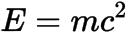
According to theformula, What happened to the mass of the matter when its speed is closing to speed of light?
Let me explain this step by step:
1) When an object moves at very high speeds (close to the speed of light), we need to use relativistic mass equations. The formula for relativistic mass is:
m = m₀/√(1 - v²/c²)
Where:
- m is the relativistic mass
- m₀ is the rest mass (mass when not moving)
- v is the velocity of the object
- c is the speed of light
2) Let's analyze what happens:
- As v gets closer to c
- The denominator √(1 - v²/c²) gets closer to zero
- When you divide by a number close to zero, the result gets very large
3) This means:
- The mass increases as the object's speed increases
- The closer the speed gets to the speed of light, the more dramatically the mass increases
- As v approaches c, the mass would approach infinity
4) This is why:
- It's impossible for any object with mass to actually reach the speed of light
- It would require infinite energy to accelerate a mass to light speed
- Only massless particles (like photons) can travel at the speed of light
This is one of the key insights of Einstein's Special Relativity - mass increases with velocity, making it impossible to reach the speed of light.
 දැන් ඉතින් හැමිනියන්කො මෙක තෙරුන්ගන්න
ඕකේ ඇති දෙයක් නෑ බන්.
 (අනන්තයයි)
පුලුවන්. වීදුරු තුල ආලෝකයේ වේගයට වඩා වැඩි වේගයෙන් යන්න පුලුවන්.

සමාවෙන්න මට ලොකු දැනුමක් නැ මචන්....උබ හරි නම් එකට එකෙන්ම ගරු කරනවා,,නොදන්න දෙකට උත්තර දුන්නට සමාවෙන්න ....Following are some of the fundamental principles of special relativity:
- Nothing with mass can travel at or faster than the speed of light
- The speed of light is the universal speed limit
ඕකේ ඇති දෙයක් නෑ බන්.
m = m₀/√(1 - v²/c²) කියන සූත්රේ V=C වෙනකොට බෙදීම ලකුනෙන් පහල තියෙන කොටසේ අගය 0 ට ලන් වෙනවා. එතකොට මොකෝ වෙන්නේ?
ඕනෙම අගයක් 0 ට ආසන්න අගයකින් බෙදනකොට පිලිතුර ඉතා විශාල අගයක් වෙනවා. ඒ අනුව 1/0=
------ Post added on Nov 23, 2024 at 1:44 AM


බෑ මචං. රික්තකයක් තුලදි තමයි ආලෝකයේ උපරිම ප්රවේගය තියෙන්නේ.පුලුවන්. වීදුරු තුල ආලෝකයේ වේගයට වඩා වැඩි වේගයෙන් යන්න පුලුවන්.


