
කටු පොල්වලිනුත් තෙල් හිඳින්ඩ පුලුවන් එච්චරයි, ඒකත් අනිත්ව වගේ තෙලක්, මොකක්ද අවුල ඉතිං


farm nemai ban palmඕකෙ අවුල තියෙන්නෙ නමේ.
ෆාම් කිවුවම මිනිස්සුන්ට මතක්වෙන්නෙ කකුල් කොටු, හරක්මඩු, උෟරු කොටු ඉතින් හිතෙන්නෙ සත්ව තෙල් කියල.

කටු පොල්වලිනුත් තෙල් හිඳින්ඩ පුලුවන් එච්චරයි, ඒකත් අනිත්ව වගේ තෙලක්, මොකක්ද අවුල ඉතිං
The Ecological Disaster of Palm Oil: Why It’s Time to Embrace Climate-Friendly Alternatives
Quantum mechanics proposes that ours is only one of an infinite number of parallel worlds, all of which exist in the same space and time. Within the endless possibilities of this theory is an upside-down version of our world, another opposite one, and yet another where everything is identical except for the presence of purple pygmy elephants (to take just one of infinite possible examples). The theory insists any and every possibility can, and indeed, must exist. Accordingly, different versions of us also live in these alternate worlds – a notion that’s almost as bewildering as it is intriguing.
A similar idea comes to mind in light of the emerging data about our climate crises, and the actions taken, and not taken, to alleviate its impact. Among these scenarios, there also exist parallel, upside-down worlds. In the first, the need for immediate and decisive action on the climate crisis is obvious and urgently acted upon, while in another, people prefer to take a laissez faire attitude. In one world, some eagerly take up the yoke of responsibility. In another, they choose to avoid any real action and leave future generations to deal with it: parallel but opposite worlds. Between these extremes is the world we inhabit.
STARTING LOCAL FOR GLOBAL IMPACT
Most people care deeply about orangutans, polar bears, forests, and other species and ecosystems impacted by environmental degradation – but the sheer breadth, scale and complexity of the problem overwhelms us. The cascade of eco-emergencies progressively lose impact as they grow beyond our ability to fully grasp their scale. Constraints of skills, time and geography limit our ability to effectively impact significant global issues like rising sea levels, melting glaciers and bleaching corals. So we are best-placed, and frankly most incentivized, to start where we are and work from the bottom up. We can make the most impact by saving those things near us that we love, and then enlarging the horizons of our influence as we go.
We understand that town boundaries do not limit ecosystems, and that the environment doesn’t care about the depth of our attachment to local amenities like river-walks and parklands. We know our homes and towns cannot remain insulated from the causal network in which everything is bound together. However, it is that same causal network that allows us to act locally and still have global influence – if we choose our targets wisely. And one global environmental problem we can all affect through our local – indeed individual – decisions is the harmful impact of the palm oil industry.
MAKING THE CHOICE TO AVOID PALM OIL
Palm oil is in so many products that it’s quite hard to avoid. It most likely is an ingredient in most of your favorite food and cosmetic brands. Manufacturers love to use it because it is quite versatile and very cheap. But palm oil has a hidden, yet extraordinarily high, eco-price: This cheap ingredient could be costing us the earth. As a major contributor to climate change, deforestation caused by palm oil plantations seriously impacts local communities and also affects the entire world.
Tropical forests have been – and are still being – burned, recklessly and extensively, to make way for ever-more palm oil monoculture. According to Rainforest Rescue, the equivalent of 300 soccer fields of rainforest land is being destroyed every hour, and palm oil production is a major culprit. Between 1995 and 2015, annual production of palm oil quadrupled, growing from 15.2 million to 62.6 million tons. By 2050, it is projected to quadruple again, reaching 240 million tons.
This surge in palm oil production has created a cash cow for many emerging markets – but it has also made forests a battleground between big palm oil producers and the local Indigenous people who have inhabited them for centuries. According to a 2008 report by NGOs including Friends of the Earth, many palm oil companies have forcibly taken Indigenous lands in Indonesia. Palm oil producers will tell you that they are providing jobs and revenue for the local economy in exchange for this land. But what they don’t mention is that people have been making a living off these forests for generations, and that developing palm oil plantations without their consultation or compensation is, in many cases, decimating an entire culture and economic system.
The global environmental impact of the palm oil industry is perhaps even more troubling. Palm oil generates the highest quantity of global warming emissions of any commodity on earth, apart from beef. By clearing vast and beautiful tropical peat forests to make way for plantations, the world is losing land that has absorbed and stored enormous amounts of carbon. As these forests are felled and burned, that carbon is released directly into the atmosphere, speeding the process of global warming.
To make an alarming – yet hopeful – comparison: Global deforestation (much of it due to palm oil production) contributes 15% of the planet’s total carbon emissions, the same as all the cars, trucks and trains operating around the world. Our use of transport is not always a choice, and it’s hard to imagine life without it. However, our use of palm oil is a choice, and it’s easy to imagine life without it – after all, humans thrived until the 1960s, when palm oil production started to accelerate, with most being unaware that palm oil even existed. By choosing not to use it, we’re acting to save the environment by influencing the actions of palm oil producers, collectively improving the long-term climatic trajectory of our world and protecting its endangered species and ecosystems – all without leaving home.
HOW CONSUMERS INADVERTENTLY INCENTIVIZE FOREST DESTRUCTION
.........................................
A PALM OIL-FREE BUSINESS MODEL
......................................... they live in.
Jim R Richards is CEO of Jindilli Inc. and Jindilli Beverages (milkadamia).
Deforestation triggering natural calamities in Indonesia
Palm oil production in Indonesia has been held responsible for cutting down vast swaths of tropical forests and killing biodiversity. Now, deforestation may also be the reason why the region is witnessing flash floods.
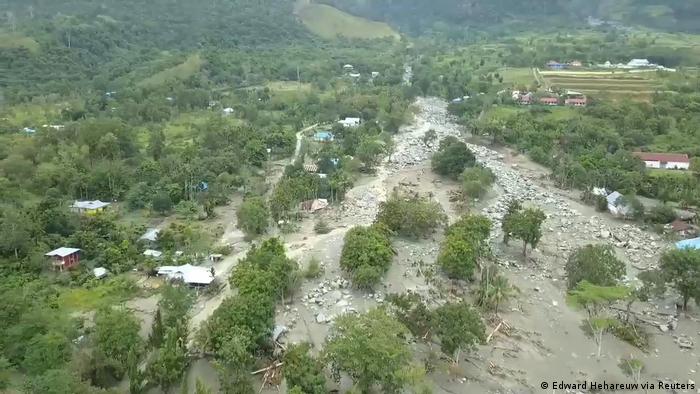
Recently, Indonesia was struck by massive floods. After hours of heavy rain in the Sentani area in the province of Papua, flash flooding and landslides killed nearly 90 people and injured 150.


When you fly over Malaysia and Indonesia you will see the massive deforestation and silly Palm trees. It's really a crime.It's more like environmental destruction than health concerns
The palm tree grows only in a tropical climate, hence the tropical rain forest destruction to be specific.
The palm industry is the major cause of forest loss in the southeast region.


වැරැද්දක් නෑ. මෝඩ දේශපාලුවොන්ට තේරෙන තරම තමයිකටු පොල්වලිනුත් තෙල් හිඳින්ඩ පුලුවන් එච්චරයි, ඒකත් අනිත්ව වගේ තෙලක්, මොකක්ද අවුල ඉතිං


