ඒව බලන්න ඕන. ඒත් දැන් නම් මගේ අවධානෙ වැඩිය යන්නෙ නෑ. තව ඉගෙන ගනිද්දි ඒවයින් ගන්න ඕන වැඩ වගේම ක්රමයත් ඔලුවට දාගන්න පුවවන් වේවි. දැනට මම බලන්නේ වොලියුම් එක තමයි. වොලියුම් එකේ ලොකු කථාවක් යනවා. විශේෂයෙන් ට්රේඩර්ස්ලාගෙ හිතේ තියන දේ. RSI වලින් නම් වැඩක් ගැනෙනව අඩුයි.
Machan thanks...
Oya pattern tikak kal baluwanam hari kohomada up down yanne kiyala hithaganna puluwan.
Ubage stratergy eka nm ela.
Volume ekenuiy order book ekaiy dekenma kathawak kiyanne...mata nm thama eka note une naa

Copid from quoura
Volume can tell you a lot about the market psychology that’s not immediately obvious from the price action data alone, and therefore it is one of the primary indicators for technical traders.
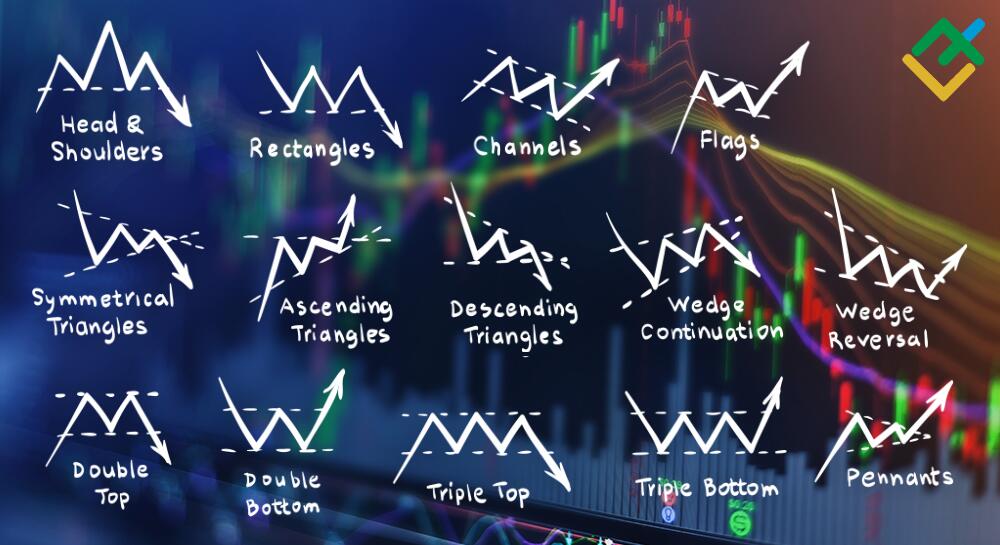
An example of this is when you look at a sequence of volume bars over time, say after a big breakout to the upside. If the price action stops climbing, and enters a period of consolidation, look for declining volume on the way down to indicate “healthy” consolidation, forming what is known as a bull flag. Increasing red volume would be a more worrying sign here, potentially indicating that the price is not very stable at these levels and more and more sellers are appearing, leading to a potential reversal. The same can be applied after a big market dump. If the price starts slowly rising again but the green volume is declining at the same time (bear flag pattern), we can say there is not a lot of momentum behind this rise and it will most likely fizzle out and return to bearish continuation.
Decreasing or increasing volume can also be used to determine the likelihood of a support or resistance level breaking. The analogy often used here is that of a car approaching a brick wall. If the car is slowing down as it approaches the wall, it is unlikely to have the momentum to break through. But if it is speeding up, chances are it will smash the wall down. The car in this case is the volume, and the wall is the S/R level. Pay close attention to the volume as the price approaches key levels to determine the likelihood of the level breaking or holding. Increasing volume on the approach increases the odds of a break.
Another great way to use volume is to look for “volume climaxes” to indicate potential market reversals. These climaxes tend to happen at the extremes, either at tops or bottoms. At bottoms, after prices have been falling for some time, there comes a point where the market gets more and more fearful and selling activity and stop losses triggering increases rapidly. At a certain point, more and more buyers start to step in to snap up coins at what they perceive to be bargain-basement prices, so we’ve got a lot of selling, and at the same time a lot of buying activity starts to occur, causing the price drop to come to a stand-still right at the point where the buying pressure equals the selling pressure, and eventually the prices start to rise again after sellers have exhausted themselves. The volume indicator typically shows this as a very clear, distinct peak with volume often 100%+ higher than the preceding candle period, and this can be a high-odds indicator that this particular level is likely to be a turning point for the price action, even if sometimes only temporarily. The same principle can be applied for market tops as well of course, where maximum FOMO, or fear of missing out, meets heavy selling from those already in positions and starting to take profits, until the price starts to drop again.
Abnormal volume, i.e volume when there previously was not much market activity - and while price action is relatively flat or stable - can sometimes foreshadow that a breakout is about to happen. This is the result of bears fighting bulls for a while, each side trying to keep the price from going against them, until one side eventually loses. We can’t always predict in which direction it will break, but traders often say “volume precedes price action”, so look out for abnormal volume and be ready for potential price volatility. We have actually built an abnormal volume alert as part of our crypto alerts system, which is sensitive to this kind of event, as well as some of the scenarios described above, and it is certainly fascinating to watch in action!
Hopefully this helps you understand more about how volume can be used to influence trading decisions, ideally coupled with other indicators such as RSI and price level analysis.