

Latest ads
-
 AWS Certified Solutions Architect-Associate + AWS Certified Cloud Practitioner
- Sanjeewani95
- Updated:
-
 🚀 එක පැකේජ් එකයි - මාසෙටම Unlimited Internet! 🌐
- sayuru bandara
- Updated:
-
 🎬 CapCut Pro 1 Month Access! LKR 600
- sayuru bandara
- Updated:
-
 🚀 Google One AI PRO Plan (Gemini Pro Activation) – 18 Months Access! LKR 2200
- sayuru bandara
- Updated:
-
 Canva Pro Lifetime Own Mail Activation LKR 500
- sayuru bandara
- Updated:
Special Forces world wide -ලොව පුරා විශේෂ බලකායන්
- Thread starter Jolly_Roger
- Start date
You are using an out of date browser. It may not display this or other websites correctly.
You should upgrade or use an alternative browser.
You should upgrade or use an alternative browser.



United States Navy SEAL
එක්සත් ජනපද නාවුක සීල් බළකාය

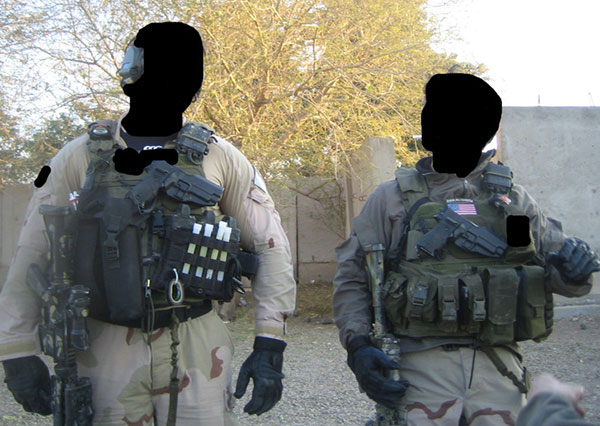
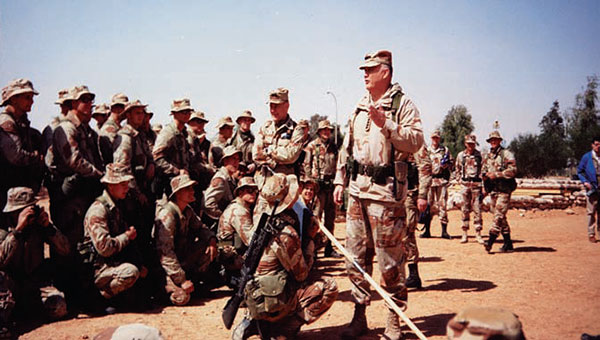
SEAL යනු මුහුද, ගොඩබිම හා අහස යන වචන වලින් සාදාගත් වචනයකි(SEa Air Land). එනම් මෙම බළකාය ලෝකයේ ඕනෑම තැනක් ඕනෑම තත්වයක් යටතේ සටන් කිරීමට හැකියාව ඇති බළකායකි. ඇමරිකානු නාවික හමුදාවට අයත් විශේෂ බළකායක් වන මෙය ලෝකයේ ඉහලම විශේෂ බළකා කීපය අතරින් ඉහලම ස්ථානයක ඇත. ඇමරිකානු හමුදා මෙහෙයුම් සිදුවන ලෝකයේ ඕනෑම තැනක ඔවුන් සිටියි. එසේත් නැතහොත් අනෙක් බළකායන්ට පෙර තමන්ට පැවරුණු මෙහෙයුම් අවසන් කර පිටවී ගොස් ඇත.

මෑතකදී ඔසාමා බින් ලාඩන් විනාශ කිරීමේ මෙහෙයුම සිදු කලේද මෙම සීල් බළකායට අයත් 6 වන කණ්ඩායමයි (Team 6 හෙවත් Naval Special Warfare Development Group).
1942 දෙවන ලෝක යුද සමයේ නාවුක හමුදාවේ අවශ්යතාව අනුව නිර්මාණය කල මෙම බළකාය ඉතා දියුණු මට්ටමට පැමිනෙන්නේ 1961 න් පසුවය. මුලදී විශේෂ නාවුක මෙහෙයුම් පමණක් සිදු කලද 1961 න් පසුව සියළුම ආකාරයේ විශේෂ මෙහෙයුම් සඳහා හැකියාව ඇති බළකායක් (SEAL) බවට පත් වීය.
මෙම බළකාය කණ්ඩායම් 12 කට බෙදා ඇති අතර සෑම කණ්ඩායමකටම ලෝකයේ ඕනෑම තැනක් මෙහෙයුම් කල හැකිය. මෙයින් 6 වන කණ්ඩායම Naval Special Warfare Development Group හෙවත් DEVGRU ලෙස හැඳින්වෙන අතර ඔවුන් අනෙක් කණ්ඩායම් වලට වඩා විශේෂිතය. Joint Special Operations Command යටතේ ක්රියාත්මක වන ඔවුන් අනෙක් බළකායන් සමඟද සහයෝගයෙන් ක්රියාත්මක වේ. බින් ලාඩන් මෙහෙයුම සිදු කලේද මෙම 6 වන කණ්ඩායමයි. සාමාන්යයෙන් එක කණ්ඩායමකට 300 ක් පමන සිටින අතර ඔවුන් තව දුරටත් කුඩා කණ්ඩායම් වලට බෙදී මෙහෙයුම් සිදු කරයි.


පුහුණුව ඉතාමත්ම දුෂ්කර එකක් වන අතර තෝරාගන්නේ නාවුක හමුදාව තුල සිටින දක්ෂතම පුද්ගලයින්ය. 80% ක් පමණ තෝරාගැනීමේදී අසමත් වේ. ඉතිරි වන 20 % සඳහා දැඩි පුහුණුවක් ලබාදෙන අතර අවසානයේ ඉතිරි වන්නේ කිහිප දෙනෙක් පමණි. අදියර තුනකින් සමන්විත අතර මූළික අදියරේදී ශාරීරික හා මානසික යෝග්යතාව ඉලක්ක කරගෙන පුහුණුව ලබාදෙන අතර සැතපුම් 4ක් එකදිගට පිහිනීම දිවීම වැනි අති දුශ්කර ක්රියා ඇතුලත්ය.

දෙවන අදියර සඳහා ඉතිරි වන්නේ පළමු අදියරේ සිටි අයගෙන් 20%ක් පමණ ගනනකි. දෙවන අදියරේදී ජලාශ්රීත විශේෂ පුහුණුවක් ලබාදෙන අතර අත් පා බැඳ වතුරට දැමීම වැනි මාරාන්තික අවස්ථාවන්ට මුහුණ දීමට සිදුවේ.


තුන්වන අදියරේදී විශේෂ යුද ශිල්ප, පුපුරණ ද්රව්ය පුහුණුව, ගරිල්ලා මෙහෙයුම් පුහුණුව, තාක්ශණික දැනුම, විශේෂ යුද අවි පුහුණුව, දිගු දුර මෙහෙයුම්, ආදී විශාල පරාසයක පුහුණුවක් විවිධ පාරිසරික තත්ව යටතේ ලබා දේ.
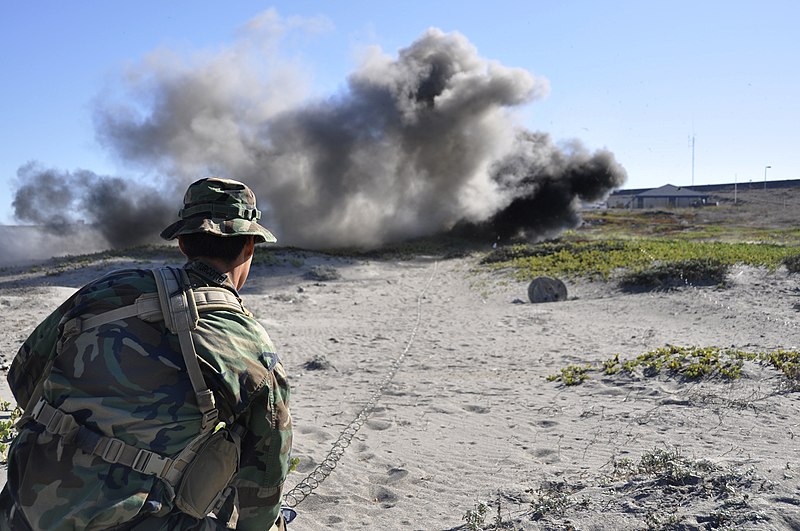

මාස 30ක් අවසානයේ අදියර තුනම අවසන් කරන සුපිරිම කිහිප දෙනා සීල් සෙබළු ලෙස බළකායට එක්කර ගැනේ.
මෙහෙයුම් ගැන කතා කරන විට පළමු වරට සීල් සෙබළු 1962 දී වියට්නාමයට යවනු ලැබීය. වියට්නාමයේදී ඇමරිකානු බළකායන් අතරින් සාර්ථකවූ එකම බළකාය සීල් බළකාය බව කියවේ. වියට්කොං ගරිල්ලන්ට එරෙහිව සාර්ථකව මුහුණ දුන් අතර එම සටන්වලින් මරණ අනුපාතය එක් සීල් සෙබලෙකුට ගරිල්ලන් 100 ක් පමණ වේ. දැනට ඉරාකයේ හා ඇෆ්ගනිස්ථානයේ සාර්ථකව ක්රියාත්මක වේ.


එක්සත් ජනපද නාවුක සීල් බළකාය

SEAL යනු මුහුද, ගොඩබිම හා අහස යන වචන වලින් සාදාගත් වචනයකි(SEa Air Land). එනම් මෙම බළකාය ලෝකයේ ඕනෑම තැනක් ඕනෑම තත්වයක් යටතේ සටන් කිරීමට හැකියාව ඇති බළකායකි. ඇමරිකානු නාවික හමුදාවට අයත් විශේෂ බළකායක් වන මෙය ලෝකයේ ඉහලම විශේෂ බළකා කීපය අතරින් ඉහලම ස්ථානයක ඇත. ඇමරිකානු හමුදා මෙහෙයුම් සිදුවන ලෝකයේ ඕනෑම තැනක ඔවුන් සිටියි. එසේත් නැතහොත් අනෙක් බළකායන්ට පෙර තමන්ට පැවරුණු මෙහෙයුම් අවසන් කර පිටවී ගොස් ඇත.

මෑතකදී ඔසාමා බින් ලාඩන් විනාශ කිරීමේ මෙහෙයුම සිදු කලේද මෙම සීල් බළකායට අයත් 6 වන කණ්ඩායමයි (Team 6 හෙවත් Naval Special Warfare Development Group).
1942 දෙවන ලෝක යුද සමයේ නාවුක හමුදාවේ අවශ්යතාව අනුව නිර්මාණය කල මෙම බළකාය ඉතා දියුණු මට්ටමට පැමිනෙන්නේ 1961 න් පසුවය. මුලදී විශේෂ නාවුක මෙහෙයුම් පමණක් සිදු කලද 1961 න් පසුව සියළුම ආකාරයේ විශේෂ මෙහෙයුම් සඳහා හැකියාව ඇති බළකායක් (SEAL) බවට පත් වීය.
මෙම බළකාය කණ්ඩායම් 12 කට බෙදා ඇති අතර සෑම කණ්ඩායමකටම ලෝකයේ ඕනෑම තැනක් මෙහෙයුම් කල හැකිය. මෙයින් 6 වන කණ්ඩායම Naval Special Warfare Development Group හෙවත් DEVGRU ලෙස හැඳින්වෙන අතර ඔවුන් අනෙක් කණ්ඩායම් වලට වඩා විශේෂිතය. Joint Special Operations Command යටතේ ක්රියාත්මක වන ඔවුන් අනෙක් බළකායන් සමඟද සහයෝගයෙන් ක්රියාත්මක වේ. බින් ලාඩන් මෙහෙයුම සිදු කලේද මෙම 6 වන කණ්ඩායමයි. සාමාන්යයෙන් එක කණ්ඩායමකට 300 ක් පමන සිටින අතර ඔවුන් තව දුරටත් කුඩා කණ්ඩායම් වලට බෙදී මෙහෙයුම් සිදු කරයි.


පුහුණුව ඉතාමත්ම දුෂ්කර එකක් වන අතර තෝරාගන්නේ නාවුක හමුදාව තුල සිටින දක්ෂතම පුද්ගලයින්ය. 80% ක් පමණ තෝරාගැනීමේදී අසමත් වේ. ඉතිරි වන 20 % සඳහා දැඩි පුහුණුවක් ලබාදෙන අතර අවසානයේ ඉතිරි වන්නේ කිහිප දෙනෙක් පමණි. අදියර තුනකින් සමන්විත අතර මූළික අදියරේදී ශාරීරික හා මානසික යෝග්යතාව ඉලක්ක කරගෙන පුහුණුව ලබාදෙන අතර සැතපුම් 4ක් එකදිගට පිහිනීම දිවීම වැනි අති දුශ්කර ක්රියා ඇතුලත්ය.

දෙවන අදියර සඳහා ඉතිරි වන්නේ පළමු අදියරේ සිටි අයගෙන් 20%ක් පමණ ගනනකි. දෙවන අදියරේදී ජලාශ්රීත විශේෂ පුහුණුවක් ලබාදෙන අතර අත් පා බැඳ වතුරට දැමීම වැනි මාරාන්තික අවස්ථාවන්ට මුහුණ දීමට සිදුවේ.


තුන්වන අදියරේදී විශේෂ යුද ශිල්ප, පුපුරණ ද්රව්ය පුහුණුව, ගරිල්ලා මෙහෙයුම් පුහුණුව, තාක්ශණික දැනුම, විශේෂ යුද අවි පුහුණුව, දිගු දුර මෙහෙයුම්, ආදී විශාල පරාසයක පුහුණුවක් විවිධ පාරිසරික තත්ව යටතේ ලබා දේ.

මාස 30ක් අවසානයේ අදියර තුනම අවසන් කරන සුපිරිම කිහිප දෙනා සීල් සෙබළු ලෙස බළකායට එක්කර ගැනේ.
මෙහෙයුම් ගැන කතා කරන විට පළමු වරට සීල් සෙබළු 1962 දී වියට්නාමයට යවනු ලැබීය. වියට්නාමයේදී ඇමරිකානු බළකායන් අතරින් සාර්ථකවූ එකම බළකාය සීල් බළකාය බව කියවේ. වියට්කොං ගරිල්ලන්ට එරෙහිව සාර්ථකව මුහුණ දුන් අතර එම සටන්වලින් මරණ අනුපාතය එක් සීල් සෙබලෙකුට ගරිල්ලන් 100 ක් පමණ වේ. දැනට ඉරාකයේ හා ඇෆ්ගනිස්ථානයේ සාර්ථකව ක්රියාත්මක වේ.


අපේ හමුදාව ගැනනම් කතා කරන්න දෙයක් නැහැ .
ලෝකේ ඉන්න හොදම හමුදාවක්
එකට අපි ගොඩක් ස්තුති වන්ත වෙන්න ඕන හිටපු හමුදා පතිවරුන්ට සහ යුද සෙබළුන්ට
ලෝකේ ඉන්න හොදම හමුදාවක්
එකට අපි ගොඩක් ස්තුති වන්ත වෙන්න ඕන හිටපු හමුදා පතිවරුන්ට සහ යුද සෙබළුන්ට


SEAL TEAM 6

Team Six was created in 1980 in the wake of the failed U.S. effort to rescue American diplomats held hostage in Iran. That effort, under then U.S. President Jimmy Carter, also intended to use helicopter-borne commandos in a covert operation but had to be aborted due to equipment failure in the rescue helicopters.
The first commander of Team Six, Richard Marcinko, says no expenses were spared in forming the elite unit.
"With 75 shooters when I started, the training allowance for SEAL Team Six for training ammunition was more than the whole Marine Corps," he told Reuters.
Marcinko, who has recounted his experiences in a book titled "Rogue Warrior," says the name Team Six was chosen as a ruse to fool the then Soviet Union into believing there were more elite commando squads than actually existed at the time.
Five Years Of Training
According to varying media estimates, the number of Team Six members is around 200 to 300. They are selected from among the most capable of the larger SEAL force, which numbers some 2,300.
The SEAL force itself is composed of commandos who have trained for about five years before earning the right to go on missions. Among their skills are parachuting from high altitudes, submarine operations, and underwater demolition.
Most of those who volunteer for the SEAL force fail at some time during the grueling training process. Captain Kenneth Klothe, a SEAL and director of the irregular warfare course at National Defense University in Washington, D.C., told the French news agency AFP that psychological stress even more than physical duress is the deciding factor.
"A lot of the guys mentally can't stand it," he says. Only about one-third of recruits reportedly finish the training process.
As many former members told American media this week, the commandos do not only carry out missions as needed, they perform training simulations every day in between. The challenge is to constantly be at peak performance in what, in fact, is a lifestyle as much as a profession.

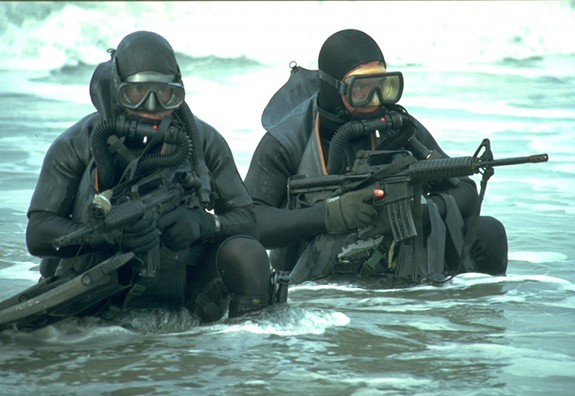


Team Six was created in 1980 in the wake of the failed U.S. effort to rescue American diplomats held hostage in Iran. That effort, under then U.S. President Jimmy Carter, also intended to use helicopter-borne commandos in a covert operation but had to be aborted due to equipment failure in the rescue helicopters.
The first commander of Team Six, Richard Marcinko, says no expenses were spared in forming the elite unit.
"With 75 shooters when I started, the training allowance for SEAL Team Six for training ammunition was more than the whole Marine Corps," he told Reuters.
Marcinko, who has recounted his experiences in a book titled "Rogue Warrior," says the name Team Six was chosen as a ruse to fool the then Soviet Union into believing there were more elite commando squads than actually existed at the time.
Five Years Of Training
According to varying media estimates, the number of Team Six members is around 200 to 300. They are selected from among the most capable of the larger SEAL force, which numbers some 2,300.
The SEAL force itself is composed of commandos who have trained for about five years before earning the right to go on missions. Among their skills are parachuting from high altitudes, submarine operations, and underwater demolition.
Most of those who volunteer for the SEAL force fail at some time during the grueling training process. Captain Kenneth Klothe, a SEAL and director of the irregular warfare course at National Defense University in Washington, D.C., told the French news agency AFP that psychological stress even more than physical duress is the deciding factor.
"A lot of the guys mentally can't stand it," he says. Only about one-third of recruits reportedly finish the training process.
As many former members told American media this week, the commandos do not only carry out missions as needed, they perform training simulations every day in between. The challenge is to constantly be at peak performance in what, in fact, is a lifestyle as much as a profession.


Similar threads


- Replies
- 94
- Views
- 5K

