

Latest ads
-
BlackWall V2ray servers
- hu KANNA
- Updated:
-
 Peppa Pig Family Plush Toy Set – 5 Characters
- anil1961
- Updated:
-
Express VPN PC - 1 Year Rs. 600.00
- Sanathbh
- Updated:
-
Capcut Pro 7 Days Team Plan - Rs. 3️⃣0️⃣0️⃣
- Sanathbh
- Updated:
-
 Singapore V2ray VPN for Tunneling
- hu KANNA
- Updated:
You are using an out of date browser. It may not display this or other websites correctly.
You should upgrade or use an alternative browser.
You should upgrade or use an alternative browser.


kosandpol said:laptop :

notebook :

See the difference now ?
 i mean notebook computers buddy

ASUS G Series G50V-X1 NoteBook Intel Core 2 Duo P8400(2.26GHz) 15.4" Wide SXGA+ 4GB Memory 200GB HDD 7200rpm DVD Super Multi NVIDIA GeForce 9700M GT - Retail
Model
Brand ASUS
Series G Series
Model G50V-X1
Operating System Windows Vista Home Premium 64-bit
CPU Type Intel Core 2 Duo P8400 2.26G
Screen 15.4" WSXGA+
Webcam Yes
Memory Size 4GB DDR2
Hard Disk 200GB
Optical Drive DVD Super Multi
Graphics Card NVIDIA GeForce 9700M GT
Video Memory 512MB VRAM DDR3
CPU
CPU Type Intel Core 2 Duo P8400 2.26G
CPU Speed P8400(2.26GHz)
CPU FSB 1066MHz
CPU L2 Cache 3MB
Display
Screen Size 15.4"
Wide Screen Support Yes
Display Type Wide SXGA+
Resolution 1680 x 1050
Operating Systems
Operating System Windows Vista Home Premium 64-bit
Graphics
GPU/VPU NVIDIA GeForce 9700M GT
Video Memory 512MB VRAM DDR3
Graphic Type Dedicated Card
Hard Drive
HDD 200GB
HD RPM 7200rpm
Memory
Memory Slots 2 x SO-DIMM
Memory 4GB
Max Memory Supported 4GB
Memory Spec 2GB x 2
Optical Drive
Optical Drive Type DVD Super Multi
Optical Drive Interface Integrated
LAN 10/100/1000Mbps
WLAN 802.11n Wireless LAN
Bluetooth Yes
Ports
Card Slot 1 x Express Card
USB 4
IEEE 1394 1
Video Port 1 x VGA, 1 x HDMI
Audio Ports Yes
Other port 1 x E-SATA
Audio
Audio Support Dolby Home Theater
Speaker Internal Speakers
Input Device
Touchpad Yes
Keyboard Standard
Supplemental Drive
Card Reader 8-in-1
Power
Battery 6-cell lithium ion
Physical spec
Dimensions 14.6" x 10.3" x 1.3-1.6"
Weight 6.2 lbs.
Other Features Bag & Mouse 30days Zero Bright Dot LCD
Manufacturer Warranty
Parts 2 years limited
Labor 2 years limited
MEKA SARA WADIDA..??
Last edited:
The Notebook Computer
A standard notebook has the following features:
1. Ultralight. Less weight is better.
2. 4 - 5 hour battery life.
3. No internal floppy drive.
4. Minimal graphics subsystem.
5. No internal DVD or CD system.
6. 12" - 14" TFT screen.
7. Low profile (thin).
8. Integrated modem and network connection.
9. Smallest possible keyboard that retains functionality.
10. Low power consumption Celeron/Centrino or Sempron style processor.
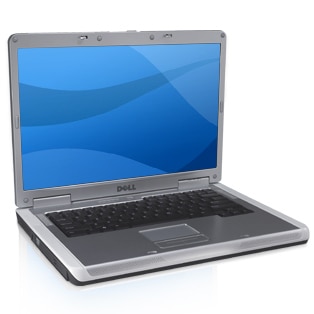
In essence a notebook computer is designed to provide mobile computing that won't break your back yet still offer all the power the mobile users requires for work and some leisure pursuits. This portability normally comes at a price. The level of minituarization involved comes at a cost and high end notebooks can prove to be quite expensive.
The Laptop Computer
Now for the laptop computer. Again look at the name. A laptop is designed to sit on your lap and you can therefore expect it to be quite large and loaded down with features and power. The
The standard laptop computer would have some ,if not all, of the following features:
1. 14" - 17" (widescreen) TFT screen.
2. Nvidia GeForce or ATI Radeon graphics subsystem.
3. Internal DVD-ROM or DVD-RW drive
4. Large full featured keyboard.
5. 3 hour+ battery life.
6. Upgradeable.
7. Integrated modem, network, Bluetooth and Wi-Fi capabilities.
8. High quality integrate audio and speaker system.
9. Low power consumption, high performance Intel Centrino style processor.
From reading the above information you'll see that the notebook is the exact opposite of the laptop. Notebooks offer reasonable power and extreme portability. Laptops are designed to be capable of replacing an entire desktop PC if necessary whilst still offering desktop performance in a mobile platform. Hopefully this article has helped clear up the differences between both classes of portable computers. As time and technology moves on the line between laptop and notebook will continue to blur but for right now it's still clearly defined and driven by the demands of the portable computer market.

A standard notebook has the following features:
1. Ultralight. Less weight is better.
2. 4 - 5 hour battery life.
3. No internal floppy drive.
4. Minimal graphics subsystem.
5. No internal DVD or CD system.
6. 12" - 14" TFT screen.
7. Low profile (thin).
8. Integrated modem and network connection.
9. Smallest possible keyboard that retains functionality.
10. Low power consumption Celeron/Centrino or Sempron style processor.
In essence a notebook computer is designed to provide mobile computing that won't break your back yet still offer all the power the mobile users requires for work and some leisure pursuits. This portability normally comes at a price. The level of minituarization involved comes at a cost and high end notebooks can prove to be quite expensive.
The Laptop Computer
Now for the laptop computer. Again look at the name. A laptop is designed to sit on your lap and you can therefore expect it to be quite large and loaded down with features and power. The
The standard laptop computer would have some ,if not all, of the following features:
1. 14" - 17" (widescreen) TFT screen.
2. Nvidia GeForce or ATI Radeon graphics subsystem.
3. Internal DVD-ROM or DVD-RW drive
4. Large full featured keyboard.
5. 3 hour+ battery life.
6. Upgradeable.
7. Integrated modem, network, Bluetooth and Wi-Fi capabilities.
8. High quality integrate audio and speaker system.
9. Low power consumption, high performance Intel Centrino style processor.
From reading the above information you'll see that the notebook is the exact opposite of the laptop. Notebooks offer reasonable power and extreme portability. Laptops are designed to be capable of replacing an entire desktop PC if necessary whilst still offering desktop performance in a mobile platform. Hopefully this article has helped clear up the differences between both classes of portable computers. As time and technology moves on the line between laptop and notebook will continue to blur but for right now it's still clearly defined and driven by the demands of the portable computer market.

ela thnXXx mate...chanaka89 said:Use google for more info
 btw u have any iDea bout da specs i mentioned

mamth adae dannechanaka89 said:The Notebook Computer
A standard notebook has the following features:
1. Ultralight. Less weight is better.
2. 4 - 5 hour battery life.
3. No internal floppy drive.
4. Minimal graphics subsystem.
5. No internal DVD or CD system.
6. 12" - 14" TFT screen.
7. Low profile (thin).
8. Integrated modem and network connection.
9. Smallest possible keyboard that retains functionality.
10. Low power consumption Celeron/Centrino or Sempron style processor.
In essence a notebook computer is designed to provide mobile computing that won't break your back yet still offer all the power the mobile users requires for work and some leisure pursuits. This portability normally comes at a price. The level of minituarization involved comes at a cost and high end notebooks can prove to be quite expensive.
The Laptop Computer
Now for the laptop computer. Again look at the name. A laptop is designed to sit on your lap and you can therefore expect it to be quite large and loaded down with features and power. The
The standard laptop computer would have some ,if not all, of the following features:
1. 14" - 17" (widescreen) TFT screen.
2. Nvidia GeForce or ATI Radeon graphics subsystem.
3. Internal DVD-ROM or DVD-RW drive
4. Large full featured keyboard.
5. 3 hour+ battery life.
6. Upgradeable.
7. Integrated modem, network, Bluetooth and Wi-Fi capabilities.
8. High quality integrate audio and speaker system.
9. Low power consumption, high performance Intel Centrino style processor.
From reading the above information you'll see that the notebook is the exact opposite of the laptop. Notebooks offer reasonable power and extreme portability. Laptops are designed to be capable of replacing an entire desktop PC if necessary whilst still offering desktop performance in a mobile platform. Hopefully this article has helped clear up the differences between both classes of portable computers. As time and technology moves on the line between laptop and notebook will continue to blur but for right now it's still clearly defined and driven by the demands of the portable computer market.
Price???haarshlife said:ela thnXXx mate...
good for gaming

ekane ... eka dekakne hehe aulak naha dan harinefernandokasu said:ae e dekama eka nadda??matah prashnayak

hehe ow aiya. honda welawata oya ahuwe,,haarshlife said:ekane ... eka dekakne hehe aulak naha dan harine
Mokatada ochchara ekak?haarshlife said:233,000 ... yeah man guD 4 GaminG
salli tienava nan ganna itin
HDD1 thava tikak vedi ekak tibboth hodai vageSimilar threads


- Replies
- 28
- Views
- 693
