

Latest ads
-
Colombo Hard Disk For Sale
- mazza
- Updated:
-
 land for sale
- justasking
- Updated:
-
 AMD AM 5 Ryzen setup
- prabodhamadusanka
- Updated:
-
 Gampaha ACER OKW223 Wired RGB Keyboard
- chint
- Updated:
-
 Gampaha FANTECH R1 V2 RACING WHEEL
- chint
- Updated:
You are using an out of date browser. It may not display this or other websites correctly.
You should upgrade or use an alternative browser.
You should upgrade or use an alternative browser.
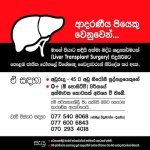


Ehema wena possibility eka aduy neda?, donor ta case ekak wenna behe ne, receiver ta thamay awul wenne.ඔපරේශන් එක වැරදුනොත් උබ ඉවරයි
ම්ම්ම්ම්Ehema wena possibility eka aduy neda?, donor ta case ekak wenna behe ne, receiver ta thamay awul wenne.

Ehema wena possibility eka aduy neda?, donor ta case ekak wenna behe ne, receiver ta thamay awul wenne.
The liver grows in size. But the blood vessels and Bile duct remain only same number. So if you donate your right lobe, you will be left with Left Portal vein, left hepatic artery and left bile duct. While your right portal vein, right bile duct and right hepatic artery are given away. So your left lobe will increase in size to compensate for the need of the body but the artery vein and bile duct will remain only same.
https://www.quora.com/How-many-times-can-you-donate-your-liver
Has nothing to do with the complications which may arise post-op or during the op neda?The liver grows in size. But the blood vessels and Bile duct remain only same number. So if you donate your right lobe, you will be left with Left Portal vein, left hepatic artery and left bile duct. While your right portal vein, right bile duct and right hepatic artery are given away. So your left lobe will increase in size to compensate for the need of the body but the artery vein and bile duct will remain only same.
https://www.quora.com/How-many-times-can-you-donate-your-liver
Can u explain furtherThe liver grows in size. But the blood vessels and Bile duct remain only same number. So if you donate your right lobe, you will be left with Left Portal vein, left hepatic artery and left bile duct. While your right portal vein, right bile duct and right hepatic artery are given away. So your left lobe will increase in size to compensate for the need of the body but the artery vein and bile duct will remain only same.
https://www.quora.com/How-many-times-can-you-donate-your-liver

Eka thamaiEhema wena possibility eka aduy neda?, donor ta case ekak wenna behe ne, receiver ta thamay awul wenne.
------ Post added on Mar 3, 2023 at 8:22 AM
But the post makes it sound like the donor doesn't lose anything permanently neHas nothing to do with the complications which may arise post-op or during the op neda?
Or any difficulties after the donating?But the post makes it sound like the donor doesn't lose anything permanently ne
https://www.ncbi.nlm.nih.gov/pmc/articles/PMC3731061/Or any difficulties after the donating?

Liver donation involves surgically removing a part of a healthy person's liver and transplanting it into someone with liver failure or disease. The liver is the only organ in the body that can regenerate itself, so the portion that is removed will grow back in both the donor and recipient.
In living liver donation, the donor typically donates a portion of their liver, usually the right lobe, to the recipient. The remaining liver in the donor then regenerates and returns to its normal size within a few weeks to months.
As with any surgery, there are risks associated with liver donation, such as bleeding, infection, or reactions to anesthesia. However, living liver donors are carefully screened before the surgery to ensure that they are healthy and can tolerate the procedure. In general, the risks of living liver donation are low, with a mortality rate of less than 0.5%.
After surgery, donors may experience some discomfort and pain, fatigue, or changes in bowel movements, but these typically resolve within a few weeks to months. Long-term complications are rare but may include the development of a hernia, bile duct problems, or liver disease.
Overall, the benefits of living liver donation can be significant, as it provides a life-saving treatment for those with liver failure or disease. However, it is important for potential donors to carefully weigh the risks and benefits and to thoroughly discuss the procedure with their medical team before making a decision.
Source - ChatGPT
In living liver donation, the donor typically donates a portion of their liver, usually the right lobe, to the recipient. The remaining liver in the donor then regenerates and returns to its normal size within a few weeks to months.
As with any surgery, there are risks associated with liver donation, such as bleeding, infection, or reactions to anesthesia. However, living liver donors are carefully screened before the surgery to ensure that they are healthy and can tolerate the procedure. In general, the risks of living liver donation are low, with a mortality rate of less than 0.5%.
After surgery, donors may experience some discomfort and pain, fatigue, or changes in bowel movements, but these typically resolve within a few weeks to months. Long-term complications are rare but may include the development of a hernia, bile duct problems, or liver disease.
Overall, the benefits of living liver donation can be significant, as it provides a life-saving treatment for those with liver failure or disease. However, it is important for potential donors to carefully weigh the risks and benefits and to thoroughly discuss the procedure with their medical team before making a decision.
Source - ChatGPT


ඕකනම් පට්ටම risky.උඹ දුන්න කියමු උඹට ඩොකාලා කියන විදිහටම ඉන්න වෙනව.ඒ කිව්වෙ කෑම බීම වුනත් ඵයාලා කියන විදිහටම කන්න බොන්න ඕන.අැල්කොහොල්, කෝපි ඵහෙම බොන්නම හොඳ නෑ අවුරුද්දක්වත් යනකන්.ඒ අයින් කරපු කෑල්ල අායෙත් තිබ්බ විදිහටම හැදෙන්න අවුරුද්දක් වගේ යනවා.ඵතකන් බෙහෙත් බොන්නත් ඕන.පරිස්සම් වෙන්නත් ඕන.නැත්නම් බඩු බනිස්.


this is one of the riskiest donation operations but of you can face it you I'll be a noble person
Mama nam kana bona ekkenekඕකනම් පට්ටම risky.උඹ දුන්න කියමු උඹට ඩොකාලා කියන විදිහටම ඉන්න වෙනව.ඒ කිව්වෙ කෑම බීම වුනත් ඵයාලා කියන විදිහටම කන්න බොන්න ඕන.අැල්කොහොල්, කෝපි ඵහෙම බොන්නම හොඳ නෑ අවුරුද්දක්වත් යනකන්.ඒ අයින් කරපු කෑල්ල අායෙත් තිබ්බ විදිහටම හැදෙන්න අවුරුද්දක් වගේ යනවා.ඵතකන් බෙහෙත් බොන්නත් ඕන.පරිස්සම් වෙන්නත් ඕන.නැත්නම් බඩු බනිස්.
Masa 3-4 k nam inna puluwan
Awruddak inna eka nam amarui
Habai hama thanama thibbe 3 months walin meka ok wenawa kiyala
Similar threads


- Replies
- 14
- Views
- 798


- Replies
- 39
- Views
- 3K
