පොඩිම පොඩි බැලුන් ගැටලුවක්!!

jamiezue

Well-known member
  • Jul 28, 2008
    12,045
    1
    8,893
    113
    -~උලක් උඩ-~
    ඔන්න එක ජාතියෙ බැලුන් දෙකක් තියනවලු. එක බැලුන් එකක් ලොකුවට පුම්බලා සහ අනික පොඩ්ඩක් පුම්බලා ලු තියෙන්නෙ. නිකන් මෙන්න මේ වගේ.
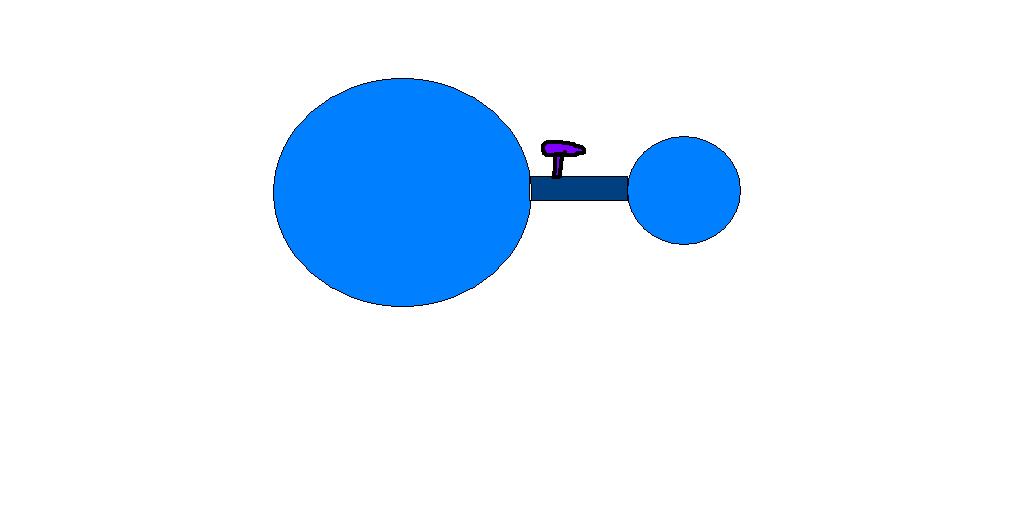
    balloons.jpg


    ඔන්න ඔය දෙක එකට සන්බන්ද කරනවා වෑල් එකකින්.. දැන් ඔන්න වෑල් එක අරිනවා.. එතකොට මොකක් වෙයිද? පොඩි බැලුම ගොඩාක් ලොකුවෙලා අර ලොකුවට තිබ්බ බැලුම කුඩා වෙයිද, ලොකු බැලුම තවත් ලොකුවෙලා කුඩා බැලුම තවත් කුඩා වෙයිද, බැලුන් දෙක සමාන වෙයිද , නැත්තම් බැලුන් දෙකම කුඩා/ ලොකු වෙයිද? :P :P
     

    jamiezue

    Well-known member
  • Jul 28, 2008
    12,045
    1
    8,893
    113
    -~උලක් උඩ-~
    loku balloon eka thawa loku wenawa, podi balloon eka thawa podi wenawa

    remember when you blow balloons, it is really hard in the start and gets easy over time. means less stretched ballon has more pressure than inflated one.

    Loku eka thava pimbenava.. man issara oka kiyavala thiyenava.. but theory eka theren na

    ඕකෙන් කියන්නේ ඇති නැති පරතරය නේද?
    exactly
    big one gets bigger. I saw a video made by vsausce on this problem

    Bump balloons
    thanks.. yeah I just remembered this again when I saw that vsausce video

    මොකවත් වෙන්නෑ මිරිකුවොත් ඇරෙන්න
    YfJfb18.png
    thanks
    ------ Post added on Sep 17, 2023 at 9:50 PM
     

    InfinitySL

    Active member
  • Jun 18, 2021
    105
    70
    28
    ඕක බැලුන් දෙකේ පීඩනයයි ප්‍රත්‍යස්තතාවයි මත රදා පවතිනවා
     
    • Like
    Reactions: imhotep

    imhotep

    Well-known member
  • Mar 29, 2017
    14,866
    8
    35,457
    113
    ඔන්න එක ජාතියෙ බැලුන් දෙකක් තියනවලු. එක බැලුන් එකක් ලොකුවට පුම්බලා සහ අනික පොඩ්ඩක් පුම්බලා ලු තියෙන්නෙ. නිකන් මෙන්න මේ වගේ.
    balloons.jpg


    ඔන්න ඔය දෙක එකට සන්බන්ද කරනවා වෑල් එකකින්.. දැන් ඔන්න වෑල් එක අරිනවා.. එතකොට මොකක් වෙයිද? පොඩි බැලුම ගොඩාක් ලොකුවෙලා අර ලොකුවට තිබ්බ බැලුම කුඩා වෙයිද, ලොකු බැලුම තවත් ලොකුවෙලා කුඩා බැලුම තවත් කුඩා වෙයිද, බැලුන් දෙක සමාන වෙයිද , නැත්තම් බැලුන් දෙකම කුඩා/ ලොකු වෙයිද? :P :P

    Take a look at the video below. Air from the smaller balloon goes into the larger one, increasing its size. This is because the pressure is higher in the smaller balloon.


    Assuming the balloon is spherical (usually it is) the relationship between the Pressure & the Radius is governed by the equation...


    where
    P = internal pressure n/m^2
    P0 = initial pressure
    C = constant unique to the baloon
    r0 = initial radius (m)
    r = current radius (m)

    This is the equation which causes the graph (pressure sensor) on the video. The pressue reaches a peak, then lowers and becomes near steady. The equation is only accurate to radii of nearly 2.5r0.
    Also you might have noticed when blowing up a balloon - when you first start to blow, it can be extremely hard to inflate. This is because you have a small radius and the pressure increases rapidly.
    The internal pressure reaches it's peak at 1.38r0. Theoretically drop to zero (or P0) as r ---> ∞

    PS: @mirissanew - Note
     
    Last edited: