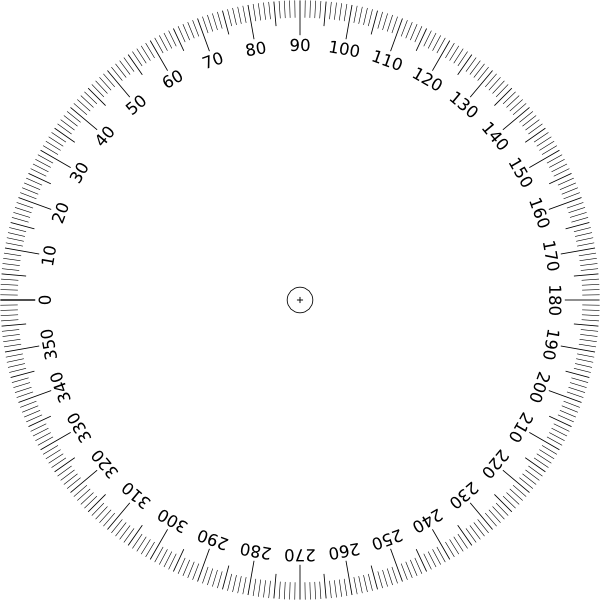
360 වුණේ ඇයි???

cmtwap

Well-known member
  • Oct 17, 2006
    1,022
    538
    113
    Nugegoda
    අද මම උඹලගෙන් පොඩි ප්‍රශ්ණයක් අහන්නම්..
    අපි හැමෝම දන්නවනේ ලක්ෂයක් වටා කෝණයේ අගය අංශක වලින් 360ක් කියල. පුළුවන්නම් දන්න එකෙක් කියපල්ල ඇයි ලක්ෂයක් වටා කෝණය අංශක 360 කියල කියන්නෙ???
    දන්න එවුන් උත්තරේ ගහගෙන යන අතරෙ නොදන්න එවුන් බම්ප් කරන් පලයල්ල හොඳේ...

    12576752371852783813mygeomatic_Rapporteur_5.svg.hi.png
     

    Sudheera-H

    Active member
  • Sep 3, 2016
    814
    172
    43
    අපි ලක්‍ෂයක්‌ වටා රවුමක් අඳිමු, මේ රවුම එක තමයි වැදගත් කාරණය, මොකද ආදී කාලේ මිනිස්සු හිතාගෙන හිටියේ ඉර පෘතුවිය වටා රවුමක් යනවා කියල, ඒ වගේම මේ රවුම සම්පූර්ණ කරන්න දවස් 360 ක් යනවා කියල, ඉතින් රවුමත් කොටස් 360 කට බෙදල ඒක කොටසක් අංශක එකක් විදියට ගත්තා, ඉතින් සම්පූර්ණ වෘත්තය කියන්නේ අංශක 360 යි,
     

    cmtwap

    Well-known member
  • Oct 17, 2006
    1,022
    538
    113
    Nugegoda
    අපි ලක්‍ෂයක්‌ වටා රවුමක් අඳිමු, මේ රවුම එක තමයි වැදගත් කාරණය, මොකද ආදී කාලේ මිනිස්සු හිතාගෙන හිටියේ ඉර පෘතුවිය වටා රවුමක් යනවා කියල, ඒ වගේම මේ රවුම සම්පූර්ණ කරන්න දවස් 360 ක් යනවා කියල, ඉතින් රවුමත් කොටස් 360 කට බෙදල ඒක කොටසක් අංශක එකක් විදියට ගත්තා, ඉතින් සම්පූර්ණ වෘත්තය කියන්නේ අංශක 360 යි,
    උඹ හිතන්නෙ ඒ කාලෙ මිනිස්සු දවස් 365ක් නැතුව දවස් 360කින් අවුරුද්දක් ලබනව කියල හොයාගත්ත කියලද??? වැරදියි බං.:no::no::no::no:
    මේක ගණිතමය ගැටළුවක්..
     

    cmtwap

    Well-known member
  • Oct 17, 2006
    1,022
    538
    113
    Nugegoda
    උබ කීය වසරෙද?:oo::oo:
    මම මචන් 11 වසරෙ... හැබැයි මීට අවුරුදු 15කට කලින්..
    ඒක එහෙම තමා ආය මොකටද කොහොමද කතා වැඩක් නෑ කියල තමා අපිට කියල තියෙන්නෙ
    නෑ බං. හේතුවක් තියෙනව.. හිතපන්.. හිතුවොත් බැරි වෙන එකක් නෑ...
     

    cmtwap

    Well-known member
  • Oct 17, 2006
    1,022
    538
    113
    Nugegoda
    හිතපන් රවුමක් ඇඳලා එක කොටස් 584 කට බෙදුව කියල. දැන් අංශක 584යි. :sorry::sorry:
    එහෙනම් උඹ කියන විදියට 584 කියල ගන්න තිබ්බනෙ??? එහෙම නැත්තම් ලස්සනට 300 කියල හරි 500 කියල හරි 1000 කියල හරි රවුම් ගාණක් දාගන්න තිබ්බනෙ??
     

    rukshrulz

    Well-known member
  • Jul 16, 2013
    9,896
    16,863
    113
    Colombo
    We delve back to arrive at a probable answer. A line of ancient peoples (Sumerians, Akkadians, and Babylonians) who lived in Mesopotamia (now southern Iraq) invented writing, observed the skies, and invented a 360-degree circle to describe their findings. About 3000 BC, the Sumerians invented writing. They also had a calendar, dating from 2400 BC, that divided the year into 12 months of 30 days each, that is, 360 days.

    The Sumerians watched the Sun, Moon, and the five visible planets (Mercury, Venus, Mars, Jupiter, and Saturn), primarily for omens. They did not try to understand the motions physically. They did, however, notice the circular track of the Sun's annual path across the sky and knew that it took about 360 days to complete one year's circuit. Consequently, they divided the circular path into 360 degrees to track each day's passage of the Sun's whole journey. This probably happened about 2400 BC.

    That's how we got a 360-degree circle. Around 1500 BC, Egyptians divided the day into 24 hours, though the hours varied with the seasons originally. Greek astronomers made the hours equal. About 300 to 100 BC, the Babylonians subdivided the hour into base-60 fractions: 60 minutes in an hour and 60 seconds in a minute. The base 60 of their number system lives on in our time and angle divisions.

    A 100-degree circle makes sense for base 10 people like us. But the base-60 Babylonians came up with 360 degrees and we cling to their ways – 4,400 years later.
     

    cmtwap

    Well-known member
  • Oct 17, 2006
    1,022
    538
    113
    Nugegoda
    ubatauna num thawa adu wadi karala beda ganin but loka sammathaya 360
    ලෝක සම්මතය 360 වුණේ ඇයි කියල තමයි මමත් අහන්නෙ.. වෙන අගයක් දාන්න තිබුණනෙ...
     

    baddysl

    Banned
    Mar 22, 2008
    724
    46
    0
    ඒ දවස්වල One day Match එකක් over 60 ක් ගැහැව්ව. එක නිසයි 360ක් දැම්මේ. අම්මපා :rolleyes::rolleyes::rolleyes::rolleyes:
     

    cmtwap

    Well-known member
  • Oct 17, 2006
    1,022
    538
    113
    Nugegoda
    We delve back to arrive at a probable answer. A line of ancient peoples (Sumerians, Akkadians, and Babylonians) who lived in Mesopotamia (now southern Iraq) invented writing, observed the skies, and invented a 360-degree circle to describe their findings. About 3000 BC, the Sumerians invented writing. They also had a calendar, dating from 2400 BC, that divided the year into 12 months of 30 days each, that is, 360 days.

    The Sumerians watched the Sun, Moon, and the five visible planets (Mercury, Venus, Mars, Jupiter, and Saturn), primarily for omens. They did not try to understand the motions physically. They did, however, notice the circular track of the Sun's annual path across the sky and knew that it took about 360 days to complete one year's circuit. Consequently, they divided the circular path into 360 degrees to track each day's passage of the Sun's whole journey. This probably happened about 2400 BC.

    That's how we got a 360-degree circle. Around 1500 BC, Egyptians divided the day into 24 hours, though the hours varied with the seasons originally. Greek astronomers made the hours equal. About 300 to 100 BC, the Babylonians subdivided the hour into base-60 fractions: 60 minutes in an hour and 60 seconds in a minute. The base 60 of their number system lives on in our time and angle divisions.

    A 100-degree circle makes sense for base 10 people like us. But the base-60 Babylonians came up with 360 degrees and we cling to their ways – 4,400 years later.
    ගණිතමය විදියට හිතුවොත්නම් මීට වඩා වෙනස් පිළිතුරක් එන්න ඕනි බන්..